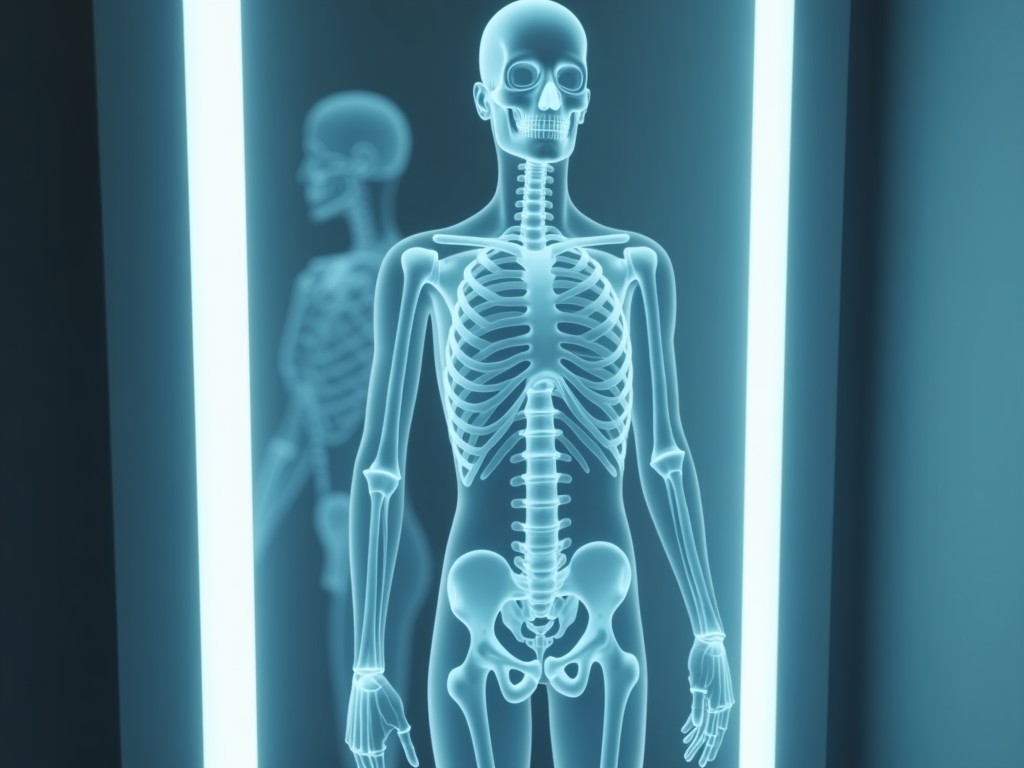
Oem Smart Body Composition Mirror
The device combines a high‑resolution reflective glass with multi‑frequency bioelectrical impedance analysis (BIA) sensors embedded behind the surface. Users stand on the integrated platform while
Inquire NowOEM Smart Body Composition Mirror
Overview
The device combines a high‑resolution reflective glass with multi‑frequency bioelectrical impedance analysis (BIA) sensors embedded behind the surface. Users stand on the integrated platform while the mirror displays real‑time body composition metrics alongside a clear visual reflection.
Technical Specifications
Core performance parameters are defined by sensor architecture, processing latency, and display resolution. The following table lists typical values that can be adjusted according to project requirements.
| Parameter | Typical Value |
|---|---|
| Measurement Frequencies | 5 kHz, 50 kHz, 250 kHz |
| Weight Capacity | 180 kg |
| Weight Resolution | 0.1 kg |
| Body Fat % Range | 3 % – 50 % |
| Display Resolution | 1920 × 1080 px LCD |
| Operating Temperature | 10 °C – 40 °C |
| Power Consumption | 12 W typical |
Measurement Principle
The BIA subsystem sends low‑amplitude alternating currents through electrodes located on the footplate and handgrips. Impedance magnitude and phase at each frequency are used to estimate extracellular water, intracellular water, and lean tissue mass via validated empirical equations.
Applications
Fitness facilities deploy the mirror for member assessments because it provides instant feedback without requiring separate scales or handheld devices. Corporate wellness programs use wall‑mounted units to encourage regular health tracking in office environments. Medical clinics integrate the device into rehabilitation zones where simultaneous visual posture feedback and body composition data support personalized therapy plans.
Customization Options
OEM partners can select enclosure materials ranging from tempered glass with aluminum frame to ABS‑plastic housings for cost‑sensitive volumes. Firmware can be tailored to display branded interfaces, specific metric subsets, or connect to existing health‑management platforms via Bluetooth 5.0 or Wi‑Fi. Mechanical options include freestanding floor stands, VESA‑compatible wall brackets, or recessed cabinet installations.
Quality Control & Testing
Each unit undergoes a three‑point calibration using reference masses and precision resistance networks to ensure weight accuracy within ±0.2 %. Bioimpedance repeatability is verified by measuring a cohort of 20 subjects five times each, with coefficient of variation kept below 1.5 % for all derived metrics. Environmental testing includes 48‑hour humidity cycling at 85 % RH and thermal shock from –10 °C to 50 °C to confirm long‑term stability.
FAQ
Can dimensions be customized?
Yes, the overall mirror size, electrode spacing, and enclosure depth can be adjusted to fit specific installation constraints; revised drawings are provided upon request.
What information is required before quotation?
Typical inputs include target annual volume, preferred enclosure material, desired metric set, required certifications (e.g., CE, FCC), and any integration protocols such as HL7 or custom API.
How is quality inspected?
Incoming components are sampled for dimensional tolerance and electrical characteristics. Final assembly undergoes functional testing, visual inspection, and a 24‑hour burn‑in before packaging.
Inquiry
To discuss your OEM requirements, request a detailed quotation, or obtain sample units, please contact our sales team using the link below.
Contact Us