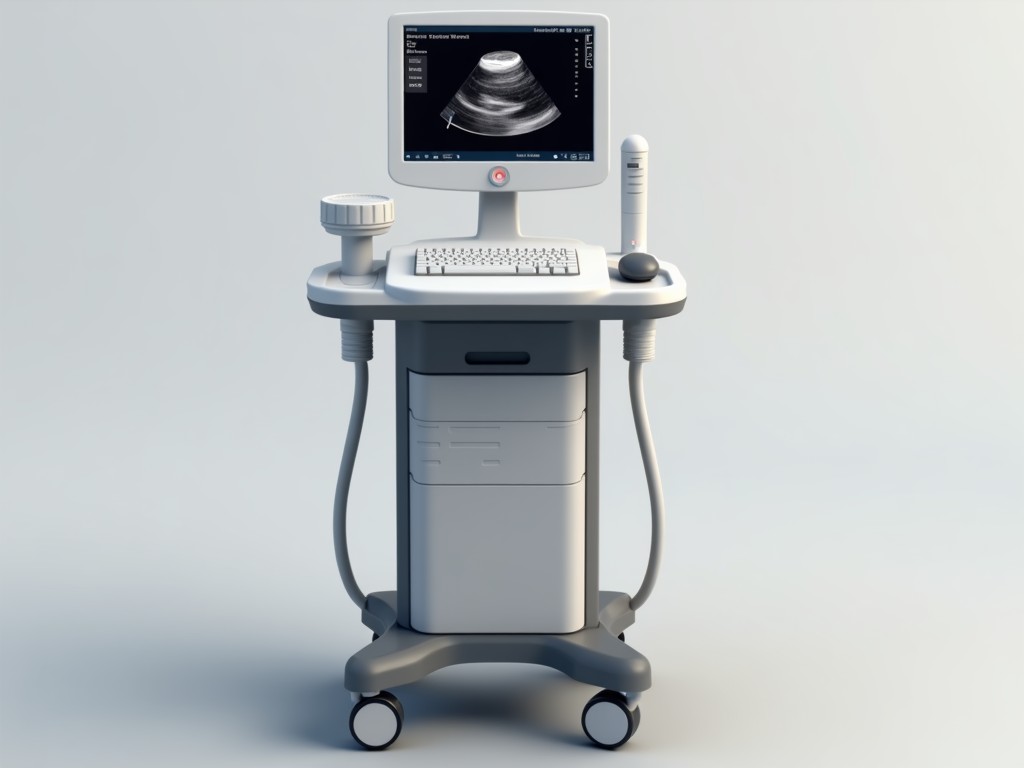
Wholesale Ultrasound Body Fat Analyzer
Ultrasound body fat analyzers estimate adipose thickness by measuring the time‑of‑flight of high‑frequency acoustic pulses as they travel through tissue layers and reflect at interfaces with
Inquire NowWholesale Ultrasound Body Fat Analyzer
Ultrasound body fat analyzers estimate adipose thickness by measuring the time‑of‑flight of high‑frequency acoustic pulses as they travel through tissue layers and reflect at interfaces with differing acoustic impedance.
Operating Principle
The device emits focused ultrasound waves in the 2–5 MHz range from a piezoelectric transducer array; reflections from muscle‑fat boundaries are captured, and the elapsed time is converted to thickness using the known speed of sound in soft tissue (≈1540 m/s).
Key Technical Specifications
| Parameter | Typical Value |
|---|---|
| Measurement range (fat thickness) | 5 mm – 100 mm |
| Ultrasound frequency | 2 MHz – 5 MHz (adjustable) |
| Vertical resolution | 0.5 mm |
| Repeatability (σ) | ±1 mm |
| Power consumption | < 2 W (continuous) |
| Output interface | USB‑C, optional RS‑485 |
| Operating temperature | 0 °C – 45 °C |
Measurement Accuracy and Repeatability
Accuracy is evaluated against caliper measurements on tissue‑mimicking phantoms; typical absolute error stays ≤ 3 mm for thicknesses up to 50 mm and rises to ≤ 5 mm at the 100 mm limit due to increased attenuation.
Repeatability improves with signal averaging; eight‑sample averaging reduces the standard deviation to ±0.5 mm, while a single measurement yields ±1 mm.
Typical Industrial Applications
In wholesale meat processing, the analyzer enables rapid, non‑destructive sorting of carcasses by lean‑to‑fat ratio, supporting inline grading without slowing the line.
Fitness‑equipment manufacturers embed the same sensor architecture into body‑composition scales, providing users with segment‑specific fat estimates for treadmills, stationary bikes, and strength‑training stations.
Material and Build Options
The standard transducer housing uses medical‑grade polycarbonate rated IP65 for dust and water resistance; an optional 316L stainless‑steel version is available for environments with cleaning agents or saline exposure.
Cable assemblies feature polyurethane jackets with integrated strain‑relief boots, tested to endure 10 000 flex cycles without degradation of signal integrity.
Quality Assurance and Testing
Each unit passes a three‑step verification: (1) IEC 60601‑1 electrical safety test, (2) acoustic output calibrated against a NIST‑traceable phantom, and (3) functional sweep across the full measurement range with automated pass/fail limits.
Batch sampling includes vibration shock testing to 15 G and thermal cycling from –20 °C to +60 °C to verify durability during transit and storage.
Customization Possibilities
Firmware can be tailored to output MODBUS registers, analog voltage, or Bluetooth LE packets according to system integration needs.
Transducer frequency bands can be shifted (e.g., 1 MHz for deeper tissue) or narrowed for higher resolution in specific applications.
Private‑label branding, custom enclosure colors, and specialized connector types are available; lead time for a custom run typically falls between four and six weeks after design approval.
Frequently Asked Questions
- Can the measurement range be extended beyond 100 mm? Extension requires lower‑frequency transducers (≈1 MHz) and longer acquisition times; this configuration is offered as a special order.
- What information is needed to receive a quotation? Please specify the desired measurement range, housing material, output interface, order quantity, and any required certifications (e.g., CE, FDA).
- Are spare parts and service kits stocked? Core spare transducers and cable assemblies are maintained in regional warehouses; typical replacement lead time is five to seven business days.
- How is the device calibrated in the field? A built‑in zero‑check routine uses a reference block supplied with each unit; field calibration follows the procedure in the user manual and requires less than two minutes.
- What packaging options protect units during export? Standard packaging uses double‑wall corrugated boxes with foam inserts; for overseas shipments, wooden crates with internal bracing and moisture‑barrier bags are available.
For detailed specifications, pricing, or to discuss customization, please contact our sales team via the inquiry form.
Contact Sales