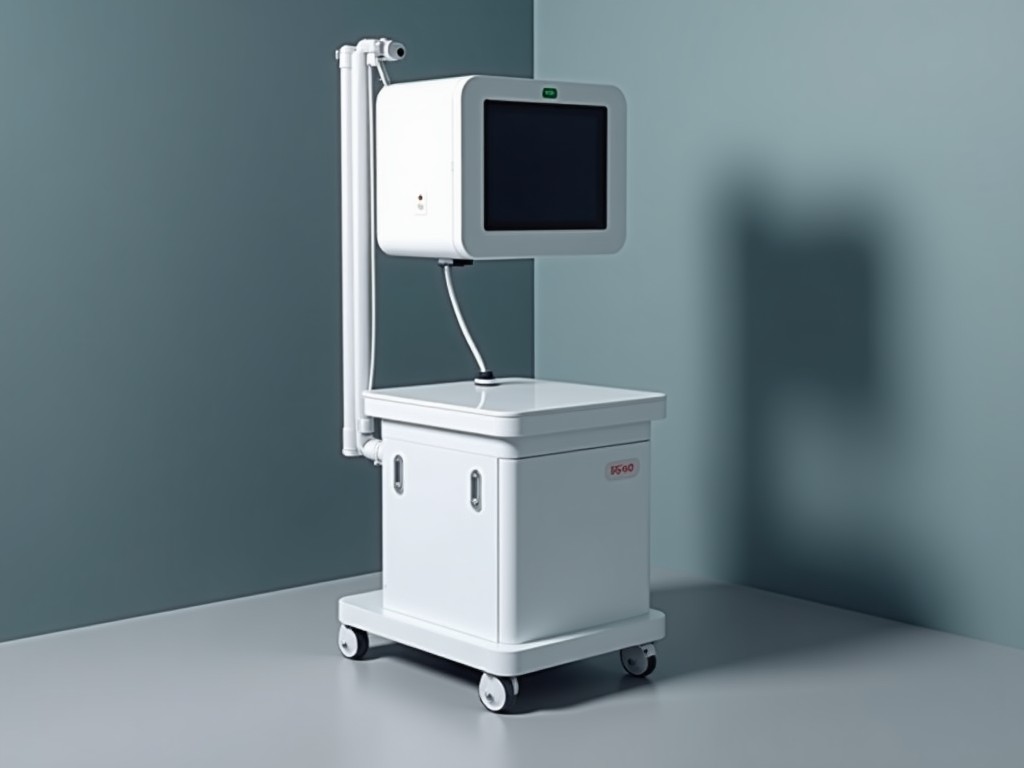
Wholesale Medical Body Composition Analyzer
A medical body composition analyzer employs multi‑frequency bioelectrical impedance analysis (BIA) to separate the body into fat, lean, and water compartments. By sending low‑level currents through
Inquire NowWholesale Medical Body Composition Analyzer
A medical body composition analyzer employs multi‑frequency bioelectrical impedance analysis (BIA) to separate the body into fat, lean, and water compartments. By sending low‑level currents through segmental electrodes, the instrument measures resistance and reactance at frequencies ranging from 5 kHz to 500 kHz, enabling calculation of intracellular and extracellular water. Wholesale distribution supports OEM integration, private‑label branding, and bulk supply to hospitals, clinics, and wellness centers.
Technical Principle
BIA relies on the fact that different tissues conduct electricity differently; lean tissue and fluid are conductive, while fat acts as an insulator. The analyzer applies a alternating current of less than 0.8 mA, well below sensory thresholds, and measures the resulting voltage drop. Impedance values are combined with height, weight, age, and gender in validated equations to derive body‑composition percentages.
Key Specifications
| Parameter | Typical Value | Notes |
|---|---|---|
| Measurement Frequencies | 5, 50, 100, 250, 500 kHz | Multi‑frequency for extracellular/intracellular separation |
| Segmental Sites | Right arm, left arm, trunk, right leg, left leg | Enables regional fluid analysis |
| Weight Capacity | Up to 250 kg | Load‑cell based platform |
| Display | 7‑inch touchscreen, 800×480 px | Optional remote display via HDMI |
| Data Interface | USB‑C, Bluetooth 5.0, LAN (RJ45) | HL7 compatible output |
| Power Consumption | ≤15 W (idle < 2 W) | Medical grade power supply |
| Compliance | IEC 60601‑1, IEC 60601‑1‑2, ISO 13485 | Class IIa medical device |
Core Features
- Segmental multi‑frequency BIA with eight‑point electrode system
- Automatic torso impedance correction for edema detection
- Built‑in body‑water balance (intracellular/extracellular) ratio
- Visitor mode for quick screening without patient data entry
- Secure patient database with AES‑256 encryption
- Software SDK for custom report generation and EMR integration
Industrial Applications
In hospital settings, the analyzer supports dialysis monitoring by tracking fluid shifts between compartments, reducing the risk of over‑hydration or dehydration. In bariatric clinics, segmental lean‑mass tracking assists surgeons in evaluating preoperative nutritional status and postoperative rehabilitation progress. Wellness centers use the device for corporate health‑screening programs, where repeatable, operator‑independent measurements enable longitudinal risk‑stratification for metabolic syndrome. Research laboratories benefit from the open SDK, allowing custom protocols for studies on sarcopenia, edema, or nutritional interventions.
Quality Control Philosophy
Each unit undergoes a four‑stage test protocol: incoming inspection of electrode material biocompatibility, functional verification of impedance accuracy against a precision resistor network, electrical safety testing per IEC 60601‑1 (dielectric strength, leakage current), and environmental stress cycling (temperature ± 15 °C, humidity 85 % RH). Statistical process control monitors key parameters such as electrode contact impedance (< 5 kΩ) and repeatability (CV < 1.5 % across 10 consecutive measurements). Documentation of calibration traceability to national standards is provided with every shipment.
Customization Options
- Housing material: ABS (standard), polycarbonate (impact‑resistant), or antimicrobial‑coated polymer
- Logo placement: laser‑etched, silk‑screened, or interchangeable faceplate
- Electrode type: dry‑metal, conductive‑rubber, or gel‑based with replaceable pads
- Frequency set: configurable subsets (e.g., 5/50/100 kHz for rapid screening) or full 5‑point spectrum
- Firmware modules: athlete mode, pediatric mode, renal‑disease mode, or custom algorithm integration
Frequently Asked Questions
Can the housing dimensions be customized for OEM integration?
Yes. The external envelope can be adjusted in 5 mm increments for width, height, and depth to fit existing kiosks or carts, subject to maintaining electrode spacing and clearance for the load‑cell platform.
What information is required before a quotation is issued?
We need the anticipated annual volume, target certification markets (e.g., FDA, CE, Health Canada), required electrode configuration, any branding or housing modifications, and preferred data‑interface (USB, Bluetooth, LAN). This enables accurate tooling and firmware costing.
What is the typical production lead time for a standard order?
For a standard configuration with no housing changes, lead time is 6‑8 weeks after receipt of purchase order and approval of final artwork. Custom housing or electrode tooling adds 2‑4 weeks.
How are export shipments protected against damage?
Units are packed in double‑wall corrugated cartons with interior foam inserts sized to the device dimensions. Each carton includes a shock‑indicator label and is sealed with moisture‑barrier bags for overseas transit.
Contact Us
To discuss wholesale pricing, request a sample unit, or obtain detailed specification sheets, please reach out to our sales team.
Request Quotation & Samples