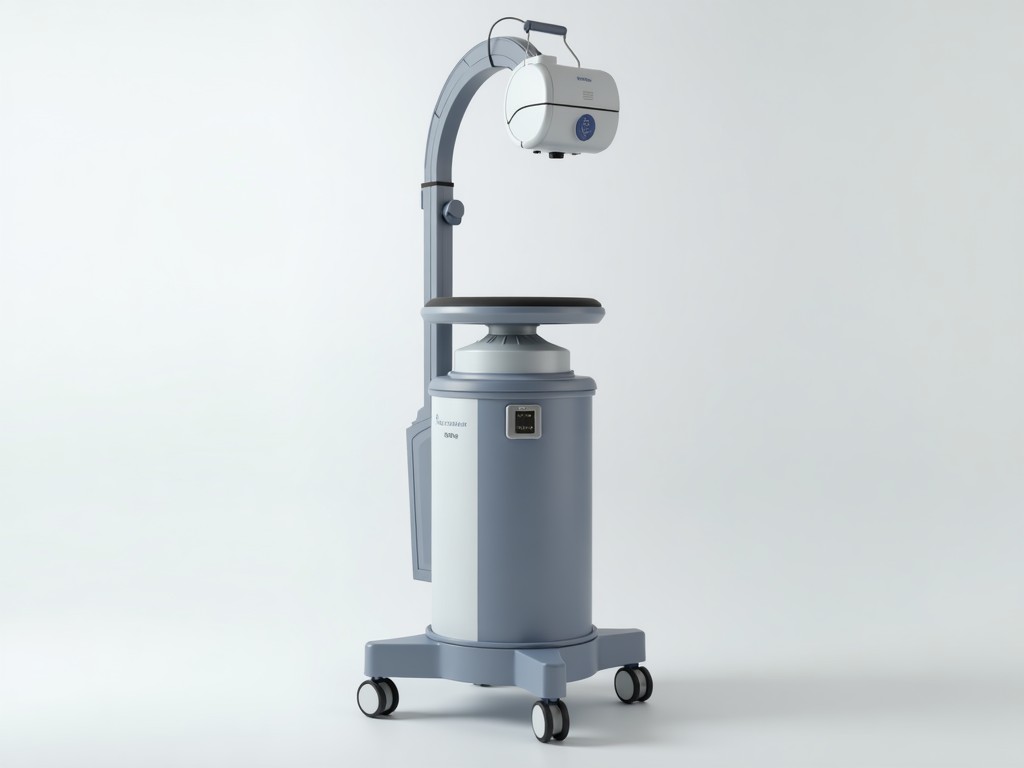
Oem Body Fat Analyzer With Printer
This device combines multi‑frequency bioelectrical impedance analysis (BIA) with an on‑demand thermal printer to deliver immediate, printed body composition reports. The analyzer measures resistance
Inquire NowOEM Body Fat Analyzer with Integrated Printer
This device combines multi‑frequency bioelectrical impedance analysis (BIA) with an on‑demand thermal printer to deliver immediate, printed body composition reports. The analyzer measures resistance and reactance at several frequencies to estimate extracellular water, intracellular water, and fat‑free mass. By integrating printing, users obtain a hard‑copy result without needing a separate PC or network connection.
Technical Specifications
| Parameter | Typical Value |
|---|---|
| Measurement Frequencies | 5 kHz, 50 kHz, 250 kHz |
| Electrode Configuration | 8‑point tactile electrodes (hand‑to‑foot) |
| Fat Mass Range | 3 % – 50 % of body weight |
| Repeatability (SD) | ±0.5 % fat |
| Printer Type | Direct thermal, 58 mm width |
| Print Resolution | 203 dpi (8 dots/mm) |
| Paper Roll Capacity | Up to 50 m (≈250 reports) |
| Power Supply | 100‑240 V AC, 50/60 Hz, 15 W max |
| Dimensions (W×H×D) | 210 mm × 95 mm × 30 mm |
| Weight | 0.45 kg |
The five‑kilohertz low‑frequency signal primarily reflects extracellular water, while the 250 kHz high‑frequency component penetrates cellular membranes, enabling separation of fat‑free mass from fat mass. Calibration against dual‑energy X‑ray absorptiometry (DXA) reference data provides a bias under 1 % across the typical adult range. Thermal printing eliminates ink cartridges, reducing maintenance and ensuring legible output even in humid environments.
Key Features
- Automatic zero‑offset calibration before each measurement cycle
- Built‑in memory stores up to 1,000 measurement sets for later retrieval
- USB‑C and RS‑232 ports support firmware updates and data export
- User‑selectable print formats: summary, detailed, or custom logo header
- Low‑power sleep mode draws <0.5 W when idle
These capabilities reduce uncertainty for OEM integrators by providing repeatable data, flexible connectivity, and minimal service intervention. The automatic calibration routine compensates for electrode drift, while onboard memory allows batch printing without a host device, simplifying deployment in facilities with limited IT infrastructure.
Typical Applications
- Fitness centers – trainers print immediate progress reports for members during consultations.
- Corporate wellness programs – on‑site printing enables quick feedback during health fairs without relying on Wi‑Fi.
- Medical clinics – physicians obtain reproducible body fat values to support nutritional counseling and therapy monitoring.
- Research laboratories – portable units facilitate field studies where power and network access are limited.
In each setting, the ability to generate a tangible report at the point of measurement improves client engagement and reduces reliance on external software, thereby lowering operational complexity and potential points of failure.
Customization Options
- Housing color and surface finish (matte, glossy, textured)
- OEM logo laser‑etched or printed on the device cover
- Electrode geometry (hand‑only, foot‑only, or hybrid) to match target population
- Firmware presets for specific ethnicities or age groups
- Printer paper roll diameter (30 mm to 50 mm) and optional tear‑off bar
- Interface selection: USB‑C only, RS‑232 only, or both
Customization is driven by the mechanical and electrical constraints of the host system; for example, electrode layout can be adjusted to fit existing handheld enclosures without altering the core measurement circuitry, preserving accuracy while meeting branding requirements.
Quality Assurance
Each analyzer undergoes a three‑stage test: (1) impedance verification using precision resistors traceable to national standards, (2) printer head resistance check to ensure consistent dot energy, and (3) functional validation with a reference phantom that simulates known fat‑free mass and fat mass values. The process follows ISO 9001:2015 guidelines, and measurement repeatability is documented for every production lot.
Frequently Asked Questions
- Can the electrode spacing be altered for different device geometries?
- Yes, the electrode positions are defined by flexible printed circuits; spacing can be adjusted within 5 mm to 25 mm to accommodate various hand‑to‑foot distances while preserving measurement accuracy.
- What file formats are available for exported data via USB?
- The device exports comma‑separated values (CSV) with timestamp, impedance values, and derived body composition parameters; a binary log option is also available for high‑frequency sampling.
- Is the thermal printer compatible with standard 58 mm paper rolls?
- The printer accepts any 58 mm width, 40 mm to 60 mm diameter thermal roll; core adapters are supplied for 12 mm and 25 mm cores.
- What is the typical lead time for an OEM order?
- Lead time ranges from 6 to 10 weeks depending on customization level, material availability, and order volume; exact schedules are provided after technical review.
- How are units protected during shipment?
- Each unit is placed in an anti‑static bag, housed in a double‑wall corrugated carton with corner protectors, and sealed with moisture‑barrier film to withstand transit humidity up to 85 % RH.