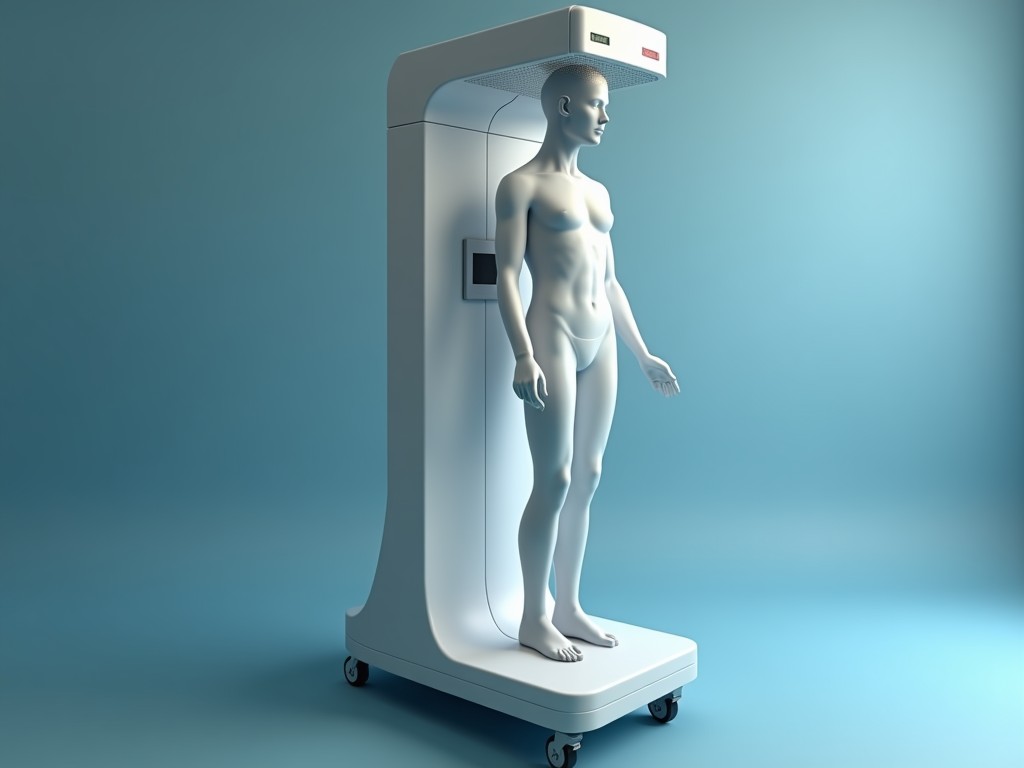
Oem Body Composition Analyzer Machine
This device measures human body composition using multi‑frequency bioelectrical impedance analysis (BIA). By sending low‑level alternating currents through the torso and limbs, it estimates fat mass,
Inquire NowOEM Body Composition Analyzer Machine
This device measures human body composition using multi‑frequency bioelectrical impedance analysis (BIA). By sending low‑level alternating currents through the torso and limbs, it estimates fat mass, lean tissue, total body water, and bone mineral content based on the voltage response at each frequency.
As an OEM offering, the analyzer can be tailored to a partner’s hardware envelope, firmware feature set, and branding requirements. Integration options include standard USB, RS‑232, or Ethernet interfaces, allowing seamless connection to existing health‑management software or hospital information systems.
Measurement performance is defined by repeatability and accuracy across the typical adult population. The system operates at frequencies ranging from 5 kHz to 500 kHz, with impedance resolution better than 0.1 Ω, yielding typical body‑fat percentage error of ±1.5 % and lean‑mass error of ±1.0 % when compared to dual‑energy X‑ray absorptiometry (DXA) reference.
Technical Specifications
| Parameter | Typical Value / Range | Notes |
|---|---|---|
| Measurement Frequencies | 5 kHz, 50 kHz, 100 kHz, 200 kHz, 500 kHz | Multi‑frequency BIA for segmental analysis |
| Electrode Configuration | 8‑point tactile electrodes (hand‑to‑foot) | Ensures reproducible contact |
| Display | 7‑inch capacitive touchscreen, 800×480 | Optional anti‑glare coating |
| Power Supply | 100‑240 V AC, 50/60 Hz, 30 W max | Internal DC‑DC conversion |
| Operating Temperature | 10 °C – 40 °C | Relative humidity 10 %‑90 % non‑condensing |
| Data Output | CSV, JSON, HL7 via USB/Ethernet | SDK available for custom integration |
Key Features
- Segmental analysis provides separate readings for arms, legs, and trunk.
- Automatic electrode impedance check alerts user to poor contact before measurement.
- On‑board storage holds up to 10,000 test records; optional cloud sync via API.
- User‑configurable measurement protocols (e.g., fasting, post‑exercise).
- Firmware can be branded with partner logo and custom welcome screens.
Typical Applications
In fitness centers, the analyzer supports personalized training programs by tracking changes in fat‑free mass over time, enabling trainers to adjust load and nutrition plans with objective data.
Clinical settings such as dialysis clinics and bariatric units use the device to monitor fluid shifts and nutritional status, providing early detection of over‑hydration or muscle wasting.
Research laboratories benefit from the high‑resolution impedance data for studies on sarcopenia, obesity epidemiology, and the impact of interventions on body composition.
Corporate wellness programs deploy the analyzer in on‑site health fairs to give employees immediate feedback, increasing engagement with health‑improvement initiatives.
Customization Options
Enclosure materials can be selected from ABS plastic, powder‑coated aluminum, or medical‑grade stainless steel depending on environmental durability and cleaning requirements.
Display size ranges from 5‑inch to 10‑inch touchscreen panels, with optional sunlight‑readable versions for outdoor or brightly lit facilities.
Connectivity modules include Wi‑Fi, Bluetooth 5.0, or industrial CAN‑bus, allowing integration with existing device networks or mobile health applications.
Software layers can be adjusted to support specific measurement protocols, custom report templates, or multilingual user interfaces.
Quality Control Philosophy
Each unit undergoes a three‑stage test sequence: electrical safety verification per IEC 60601‑1, impedance accuracy validation against precision resistors, and functional testing of all I/O ports.
Calibration traceability is maintained through a national metrology institute reference, with calibration certificates provided upon request.
A 48‑hour burn‑in period is performed before final inspection to catch early‑life component drift, ensuring long‑term stability in field operation.
Frequently Asked Questions
- Can the electrode spacing be altered for pediatric use?
Yes, alternative electrode arrays with reduced spacing are available for subjects under 14 years. - What information is needed to generate a quotation?
Required details include desired enclosure material, display size, interface options, and estimated annual volume. - Is firmware source code accessible for customization?
The core measurement algorithm is provided as a binary library; API documentation allows application‑level customization without exposing source. - How are units protected during export shipment?
Each analyzer is packed in a double‑wall corrugated box with internal foam inserts, shock‑indicator labels, and desiccant packs to control humidity.
To discuss how this OEM body composition analyzer can be adapted to your specific product line, please use the contact form below.
Request a Quote