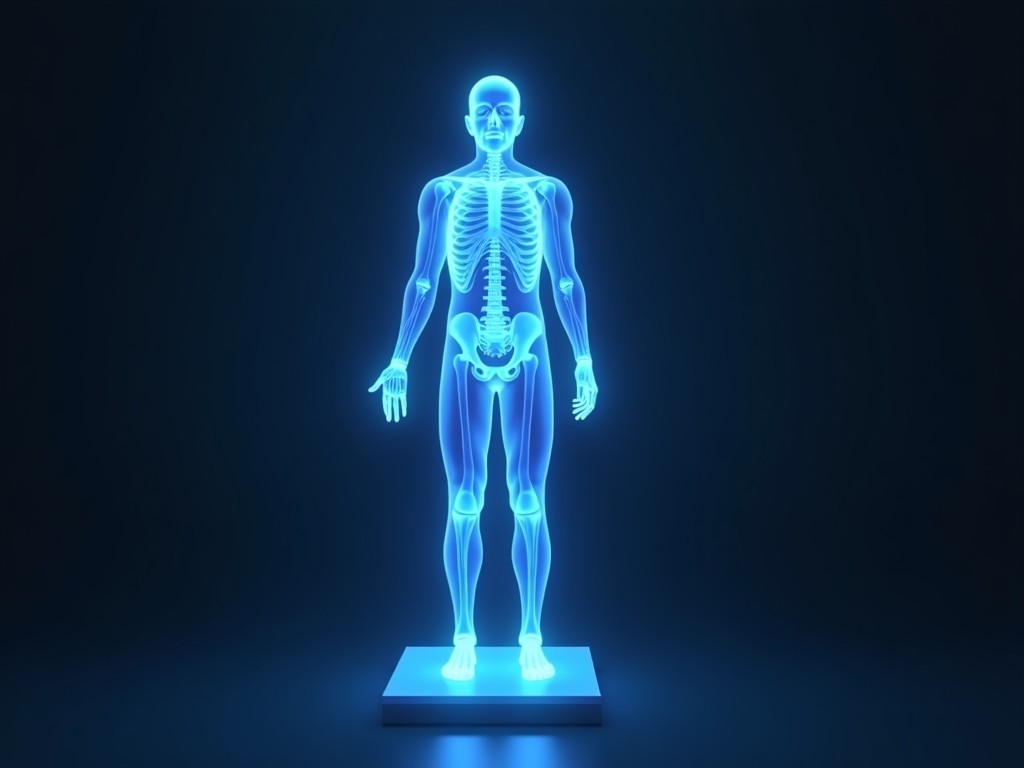
Oem 3D Body Fat Scanner Manufacturer
An OEM 3D body fat scanner integrates multi‑frequency bioelectrical impedance analysis with structured light depth sensing to estimate adipose tissue distribution across the torso and limbs. The
Inquire NowOEM 3D Body Fat Scanner Manufacturer – Customizable Solutions
An OEM 3D body fat scanner integrates multi‑frequency bioelectrical impedance analysis with structured light depth sensing to estimate adipose tissue distribution across the torso and limbs. The system outputs volumetric fat maps in real time, enabling product designers to embed precise body composition metrics into wearable or stationary health devices.
Measurement Technology Overview
The scanner drives four alternating current frequencies (5 kHz, 50 kHz, 250 kHz, 1 MHz) through surface electrodes placed on the handheld grip. Simultaneously, a patterned infrared projector captures surface topology, allowing the algorithm to separate extracellular water, intracellular water, and fat layers based on known tissue dielectric properties.
Depth resolution reaches 2 mm within a 150 mm scanning radius, while impedance measurement repeatability stays below 1.5 % coefficient of variation across 30 consecutive scans on a standardized phantom. These specifications support reliable trend tracking rather than single‑point diagnosis.
Key Technical Specifications
| Parameter | Typical Value | Notes |
|---|---|---|
| Measurement Range | 5 % – 50 % body fat | Validated against DXA reference |
| Accuracy (vs. DXA) | ±2.0 % absolute fat | Root‑mean‑square error across population |
| Scan Time | ≤ 4 seconds | Includes data transfer |
| Power Consumption | ≤ 0.8 W (average) | USB‑C powered |
| Operating Temperature | 0 °C – 40 °C | Non‑condensing humidity |
| Output Interface | USB 2.0 HID + optional UART | Configurable firmware |
Typical Applications in Industrial Settings
Equipment manufacturers embed the scanner into smart scales, handheld fitness trackers, and clinical screening kiosks where continuous fat‑mass monitoring adds value beyond weight alone. The non‑contact depth sensor allows integration into devices with limited electrode exposure, such as wrist‑worn form factors.
Because the algorithm outputs regional fat percentages (trunk, arms, legs), product teams can develop targeted feedback apps for athletic training or rehabilitation programs, differentiating their offerings in a competitive market.
Customization Options for OEM Partners
- Sensor array geometry – adjustable electrode spacing and count to fit housing constraints
- Firmware algorithms – selectable fat‑mass models, hydration correction factors, or custom output scales
- Housing materials – medical‑grade ABS, polycarbonate, or over‑molded TPU for ergonomic grips
- Connector types – USB‑C, JST, or board‑to‑board mezzanine interfaces
- Calibration routines – factory‑set phantom reference or user‑initiated baseline procedures
Quality Assurance and Testing Protocol
Each unit undergoes a three‑stage validation: electrical safety testing per IEC 60601‑1, impedance linearity verification across a multi‑point resistor ladder, and optical depth accuracy check using a calibrated step‑height target. Environmental testing includes thermal cycling (‑20 °C to 60 °C) and 96‑hour humidity soak to ensure long‑term stability.
Final inspection records are retained for traceability, and a statistical process control chart tracks key parameters such as baseline impedance and scan latency. This approach reduces field failure risk and supports consistent OEM supply.
Frequently Asked Questions
Can the scanner dimensions be customized to fit our enclosure?
Yes. The electrode PCB and infrared module can be repositioned within a 30 mm × 30 mm footprint, and the overall housing length can be adjusted in 5 mm increments based on your mechanical design.
What information is required before quotation?
We need the intended measurement range, desired output format (raw impedance, processed fat %, or both), power supply constraints, and any regulatory certifications you plan to pursue (e.g., FCC, CE).
Which materials are available for the sensor housing?
Standard options include ABS (UL‑94 V‑0), polycarbonate (impact‑rated), and medical‑grade TPU for over‑molded grips. Alternative materials can be sourced upon request.
How is quality inspected before shipment?
Each device receives a final functional test covering impedance sweep, depth map generation, and USB communication, followed by a visual inspection for cosmetic defects. AQL‑level sampling is applied per batch.
Request a Quote or Sample
To discuss your specific integration requirements, obtain pricing, or arrange an evaluation unit, please contact our engineering team.