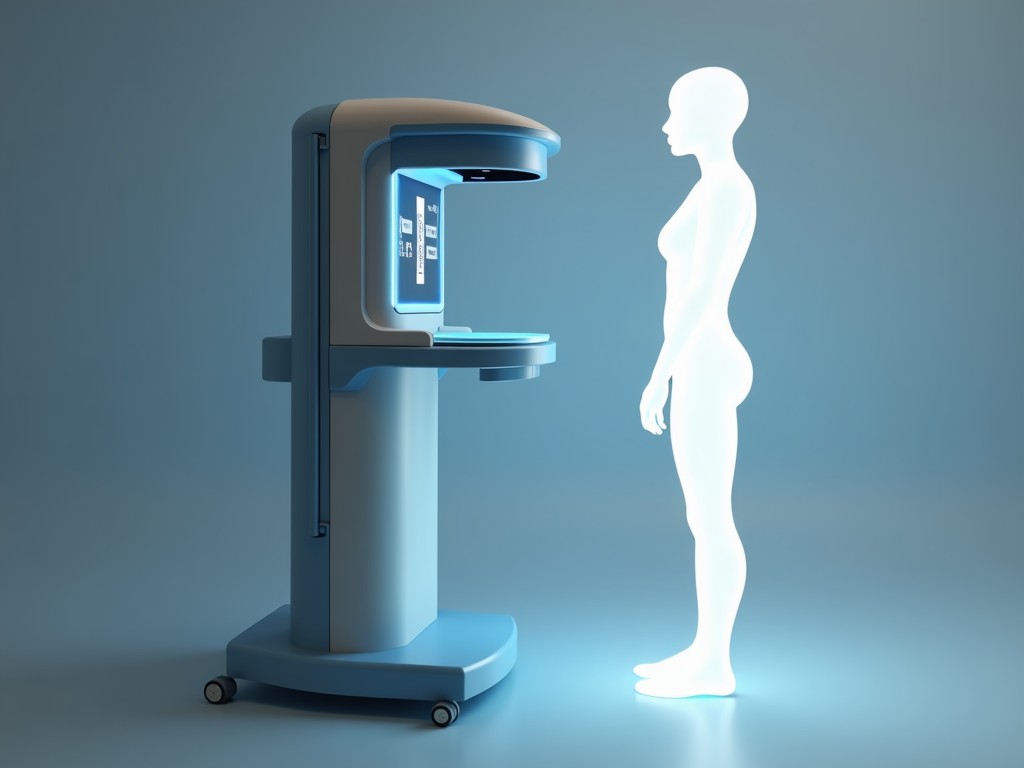
Odm Body Composition Testing Machine
This equipment uses multi‑frequency bioelectrical impedance analysis (BIA) to estimate body composition metrics such as fat mass, lean mass, total body water, and segmental distribution. The ODM
Inquire NowODM Body Composition Testing Machine
This equipment uses multi‑frequency bioelectrical impedance analysis (BIA) to estimate body composition metrics such as fat mass, lean mass, total body water, and segmental distribution. The ODM approach allows the housing, electrode layout, firmware, and communication interfaces to be tailored to the integrator’s mechanical and software requirements.
Measurement is performed by applying a low‑amplitude alternating current (typically below 0.5 mA) through surface electrodes and detecting the resulting voltage. By sweeping frequencies from 1 kHz to 1 MHz, the device can differentiate intracellular and extracellular water pathways, improving accuracy across diverse body types.
Industrial buyers benefit from a clear technical basis for supplier selection: the measurement principle, frequency range, electrode configuration, and data output options are defined as engineering parameters rather than marketing claims.
Core Technical Characteristics
The following table lists typical values that can be adjusted according to project specifications. Exact numbers are confirmed during the ODM design review.
| Parameter | Typical Value / Option |
|---|---|
| Measurement Principle | Multi‑frequency Bioelectrical Impedance Analysis |
| Frequency Range | 1 kHz – 1 MHz (selectable steps) |
| Electrode Configuration | Hand‑to‑hand, foot‑to‑foot, or segmental (customizable) |
| Measured Parameters | Fat mass, lean mass, total body water, intracellular/extracellular water, segmental lean/fat |
| Output Interfaces | USB, Bluetooth 5.0, Wi‑Fi, HL7, RS‑232 (configurable) |
| Power Supply | 100‑240 V AC, 50/60 Hz, <20 W typical |
| Operating Temperature | 10 °C – 40 °C, 10 %‑90 % RH non‑condensing |
| Dimensions (W×D×H) | 300 mm × 250 mm × 100 mm (adjustable enclosure) |
| Weight | 2.5 kg ± 0.2 kg (depending on housing) |
Typical Applications and Value Proposition
In fitness and wellness centers the device supports member assessments, tracking progress over time, and guiding personalized training programs. The multi‑frequency approach reduces variability caused by hydration shifts, providing more reliable longitudinal data than single‑frequency units.
Medical clinics use the segmental output to monitor edema, sarcopenia, or nutritional status in patients undergoing dialysis, oncology treatment, or geriatric care. Because the measurement is non‑invasive and repeatable, it can be performed at each visit without radiation exposure.
Research laboratories benefit from the open data format and configurable firmware, allowing integration with custom analysis pipelines or synchronization with motion‑capture systems. ODM suppliers can provide SDK access for raw impedance values, facilitating algorithm development.
Corporate wellness programs deploy the machines in health‑screening events where quick, repeatable measurements are needed for large employee groups. The short measurement cycle (<30 seconds) and minimal preparation (no fasting, light clothing) support high throughput.
Customization Logic for ODM Partners
The mechanical envelope can be adapted to fit existing kiosks, wall‑mounted panels, or portable cases. Material choices include ABS‑PC blends for impact resistance or antimicrobial‑treated polymers for clinical environments.
Electrode geometry and spacing are adjusted to match the target population’s anatomical range; for example, wider foot plates accommodate larger foot sizes while maintaining consistent contact impedance.
Firmware can be re‑programmed to output specific indices (e.g., basal metabolic rate, visceral fat rating) or to communicate via proprietary protocols required by hospital information systems.
branding elements such as logos, LED indicators, and display layouts are incorporated during the tooling phase, ensuring the final product aligns with the partner’s visual identity.
Quality Assurance and Validation Approach
Each unit undergoes functional testing of impedance measurement accuracy across the frequency spectrum using precision resistors and phantom tissues that simulate known conductivity values.
Repeatability is assessed by performing ten consecutive measurements on a stable reference subject; the coefficient of variation for total body water is typically below 1.5 %.
Safety verification includes leakage current testing according to IEC 60601‑1 and electromagnetic compatibility testing per IEC 60601‑1‑2, ensuring the device meets medical‑equipment standards when configured for clinical use.
Traceability is maintained through serialized hardware, firmware version logs, and calibration records, which are available to the ODM partner upon request.
Next Steps
To begin an ODM collaboration, provide the intended application environment, required measurement parameters, mechanical constraints, and any interface specifications. Our engineering team will review these inputs and propose a feasibility study with preliminary schematics and cost estimates.
Contact us to arrange a technical discussion or request a sample unit for evaluation.
Request ODM Consultation