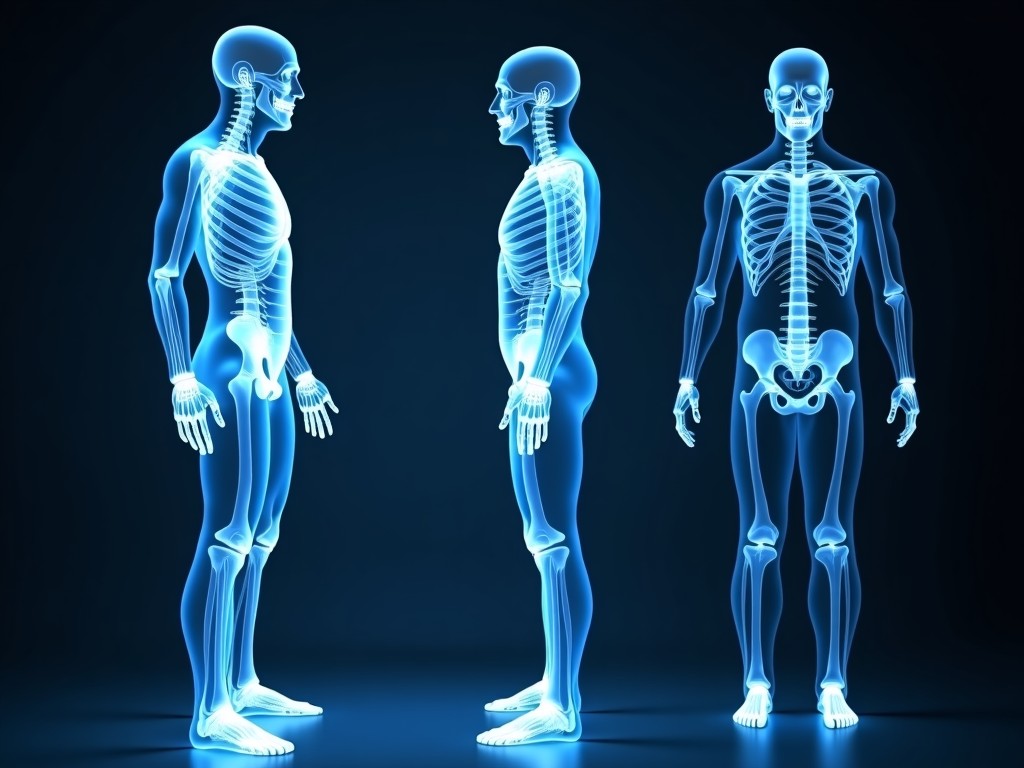
Most Accurate Body Composition Analyzer
Understanding body composition is essential for tracking health, fitness, and medical conditions, and the accuracy of the measurement device directly influences decision‑making confidence. Analyzers
Inquire NowMost Accurate Body Composition Analyzer
Understanding body composition is essential for tracking health, fitness, and medical conditions, and the accuracy of the measurement device directly influences decision‑making confidence. Analyzers that provide consistent fat, muscle, and water estimates enable professionals to set realistic goals, monitor progress, and assess risk factors with greater confidence.
The analyzer uses multi‑frequency bioelectrical impedance analysis (MF‑BIA) with currents ranging from 1 kHz to 1 MHz, allowing separate estimation of extracellular and intracellular water. Eight tactile electrodes — four on the footplate and four on the hand grips — provide a segmental view of the trunk, arms, and legs, reducing reliance on assumptions about body shape.
Measurement repeatability is expressed as a coefficient of variation (CV) typically below 0.5% for total body water when the device is used under standardized conditions. Validation against dual‑energy X‑ray absorptiometry (DXA) shows mean absolute errors generally ranging from 1.0% to 2.0% for fat mass and 0.8% to 1.5% for fat‑free mass across adult populations. These figures reflect the combined effect of electrode contact stability, current distribution modeling, and proprietary algorithms that compensate for variations in limb length and posture.
Construction features include a reinforced ABS footplate rated for loads up to 200 kg, stainless‑steel electrode contacts with gold‑plated surfaces to minimize oxidation, and a low‑voltage excitation circuit that complies with IEC 60601‑1 safety standards for medical electrical equipment. The handheld grips are interchangeable to accommodate different hand sizes, and the unit’s footprint measures 380 mm × 340 mm with a height of 110 mm, allowing placement on standard clinic counters.
Facilities that benefit from segmental, multi‑frequency analysis include fitness centers seeking detailed muscle‑symmetry data, medical clinics monitoring edema or malnutrition, research laboratories requiring longitudinal tracking of body‑water compartments, and corporate wellness programs aiming to provide actionable health insights to employees.
- Fitness centers: segmental lean‑mass readings help trainers identify imbalances and tailor strength programs.
- Medical clinics: extracellular‑to‑intracellular water ratios assist in early detection of fluid retention or dehydration.
- Research laboratories: precise tracking of water compartments supports studies on aging, nutrition, and disease progression.
- Corporate wellness: easy‑to‑interpret reports increase employee engagement in health‑promotion initiatives.
| Feature | Single‑Frequency BIA (1 kHz) | Multi‑Frequency BIA (This Device) | DXA (Reference) |
|---|---|---|---|
| Measurement Frequencies | 1 kHz | 1 kHz – 1 MHz (5 frequencies) | N/A (imaging) |
| Electrode Count | 4 (foot‑to‑foot) | 8 (feet + hands) | N/A |
| Segmental Output | Whole‑body only | Trunk, arms, legs | Whole‑body + regional (with software) |
| Typical Error vs DXA (Fat Mass) | 3.0% – 4.5% | 1.0% – 2.0% | 0 % (reference) |
| Measurement Time | 20 s | 25 s | 4 – 7 min |
| Typical Cost Indicator | Low | Medium | High |
FAQ
Can the electrode configuration be adapted for pediatric or bariatric patients? Yes, the hand grips and footplate spacing can be adjusted, and optional pediatric electrodes with reduced surface area are available upon request.
What information is required before receiving a quotation? Please provide the intended measurement volume (tests per day), required output metrics (e.g., visceral fat, segmental lean mass), any regulatory certifications needed for your region, and preferred delivery timeline.
How is data exported from the analyzer? The unit stores results in CSV format on an internal SD card and can transfer files via USB‑C or optional Bluetooth module; a software development kit (SDK) is available for integration with hospital information systems.
To discuss how this analyzer can meet your specific accuracy and workflow requirements, please contact our technical team.