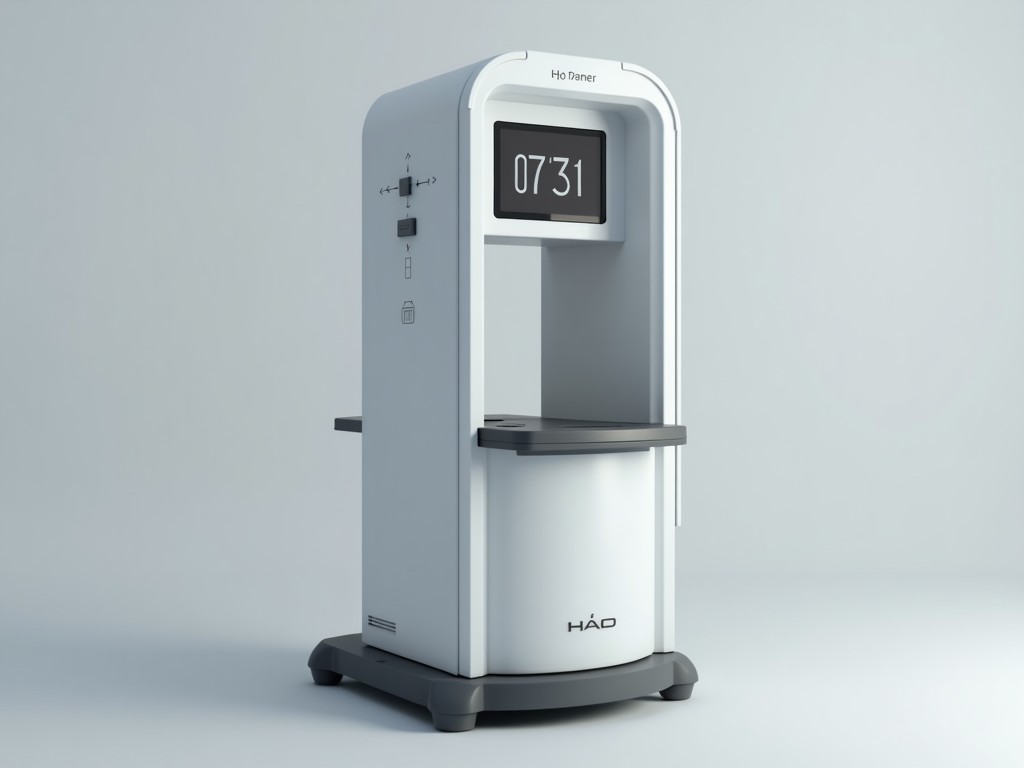
Medical Body Composition Analyzer Wholesaler
Body composition analyzers used in clinical and wellness settings rely on multi‑frequency bioelectrical impedance analysis (MF‑BIA) to quantify fat mass, lean mass, total body water, and bone mineral
Inquire NowMedical Body Composition Analyzer Wholesale Solutions
Body composition analyzers used in clinical and wellness settings rely on multi‑frequency bioelectrical impedance analysis (MF‑BIA) to quantify fat mass, lean mass, total body water, and bone mineral estimates. The technology sends low‑level alternating currents through segmental electrodes and measures impedance at multiple frequencies to differentiate intracellular and extracellular water compartments.
Wholesale distribution of these instruments requires understanding of measurement precision, repeatability, and safety standards that affect downstream integration into hospital information systems, fitness center management software, or research databases.
Technical Specifications
| Parameter | Typical Value |
|---|---|
| Measurement Method | Multi‑frequency Bioelectrical Impedance Analysis (MF‑BIA) |
| Frequency Range | 5 kHz – 500 kHz (up to 8 frequencies) |
| Electrode Configuration | 8‑point tactile electrodes (hand‑to‑foot) with optional segmental add‑ons |
| Measurement Time | < 30 seconds per scan |
| Output Parameters | Fat mass, fat‑free mass, total body water, intracellular water, extracellular water, skeletal muscle mass, basal metabolic rate, visceral fat level, bone mineral estimate |
| Display | 7‑inch color touchscreen, 800×480 resolution |
| Power Supply | 100‑240 V AC, 50/60 Hz, 60 W max |
| Dimensions (W×D×H) | 350 mm × 300 mm × 110 mm |
| Weight | 4.5 kg |
| Operating Temperature | 10 °C – 40 °C |
| Data Output | USB, Ethernet, HL7‑compatible interface, optional Wi‑Fi module |
Clinical and Wellness Applications
In hospitals, the analyzer supports nutritional assessment for postoperative patients, dialysis monitoring, and oncology care by providing rapid, non‑invasive fluid status information that guides prescription of enteral or parenteral support.
Fitness and rehabilitation centers use the same technology to track changes in lean mass and fat mass over training cycles, allowing trainers to adjust programs based on objective data rather than subjective impressions.
Research laboratories benefit from the device’s segmental analysis capability, which enables regional fat distribution studies and validation of new imaging or biomarker techniques against a reference impedance‑based method.
Customization Options
- Electrode layout: standard 8‑point hand‑to‑foot, optional 4‑point segmental add‑ons for trunk or limb‑specific analysis
- Software interface: multilingual UI (English, Spanish, Mandarin, Arabic) with configurable export formats (CSV, XML, DICOM)
- Enclosure materials: medical‑grade ABS with antimicrobial coating, or stainless‑steel finish for high‑traffic environments
- Calibration kits: traceable phantom resistors and fluid verification modules available for on‑site validation
- Mounting solutions: desktop stand, wall‑mount bracket, or mobile cart with lockable wheels
Quality Control and Compliance Considerations
Manufacturing follows a design‑for‑process approach where electrode contact impedance is tested at each production stage using automated test fixtures that simulate skin‑electrode interfaces across a range of temperatures and humidities.
Electrical safety verification includes IEC 60601‑1 compliance testing for leakage current, dielectric strength, and electromagnetic compatibility, ensuring the unit can operate alongside other diagnostic equipment without interference.
Firmware updates are delivered through a signed package mechanism, and each device stores a unique serial number that enables traceability for field performance tracking and recall management if required.
Frequently Asked Questions
- Can the electrode spacing be adjusted for pediatric patients? Yes, optional reduced‑size electrodes are available and the software includes age‑specific calculation algorithms.
- What information is needed to generate a quotation? Required details include order quantity, desired electrode configuration, enclosure finish, software language pack, and any required accessories such as carts or calibration kits.
- How are production lead times determined? Lead times depend on the selected customization options; standard configurations typically ship within 4‑6 weeks, while specialized enclosures or firmware extensions may extend to 8‑10 weeks.
- What packaging methods protect the units during export? Each analyzer is placed in a double‑wall corrugated box with interior foam inserts, sealed with humidity‑indicating cards, and palletized with stretch film for containerized shipments.
For additional specifications, customization requests, or to arrange a sample evaluation, please contact our sales engineering team.
Request a Quote