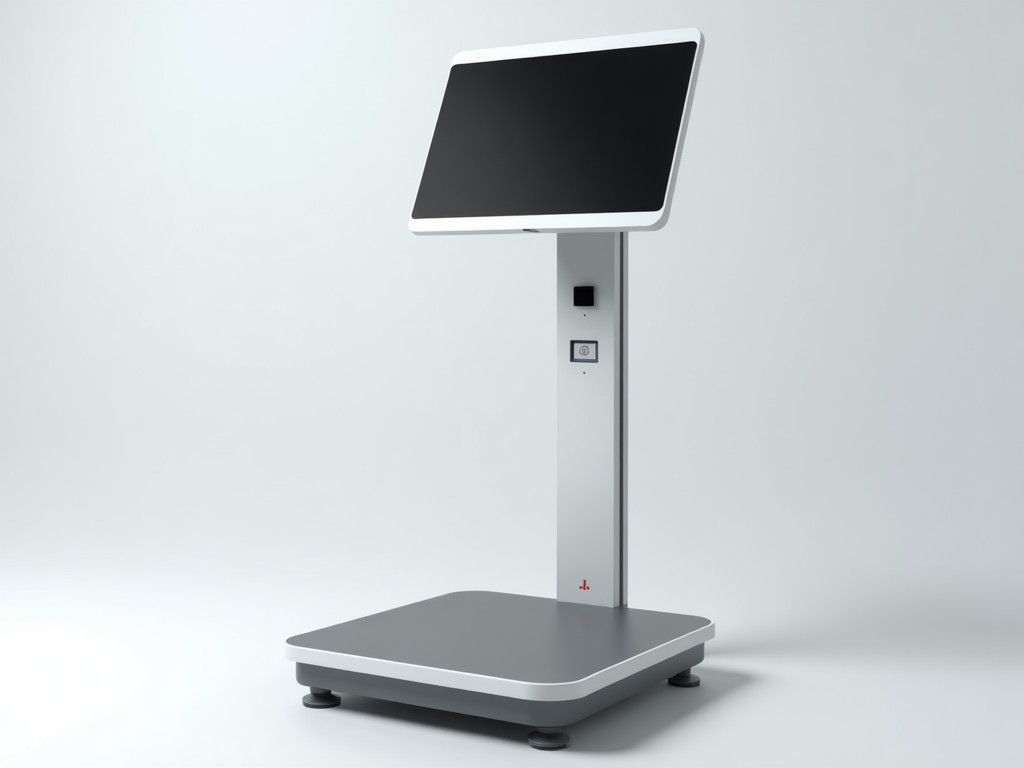
Custom Smart Scale Body Composition Analyzer
The analyzer determines body composition by sending a low‑level electrical signal through the body and measuring impedance at multiple frequencies. From the measured resistance and reactance it
Inquire NowCustom Smart Scale Body Composition Analyzer
The analyzer determines body composition by sending a low‑level electrical signal through the body and measuring impedance at multiple frequencies. From the measured resistance and reactance it calculates fat mass, lean mass, total body water, and bone mineral content. Results are presented as percentages and absolute values with a resolution of 0.1%.
Customization begins with selecting the electrode geometry and spacing to match the target population’s anatomical range. Firmware can be configured to adjust the frequency sweep, measurement duration, and algorithmic models for specific ethnic or age groups. Output data formats include CSV, JSON, or direct HL7 interface for integration with existing health‑record systems.
Facilities that require reliable, repeatable composition data install these scales in corporate wellness programs, sports performance centers, and clinical research labs. In each setting the device supports longitudinal tracking, intervention assessment, and cohort studies. The ability to store user profiles locally reduces setup time for high‑throughput screening.
Typical Applications
- Corporate wellness: periodic screening enables early detection of metabolic risk and informs personalized intervention programs.
- Sports performance: coaches monitor changes in muscle mass and hydration to optimize training loads and recovery protocols.
- Clinical research: precise, longitudinal data support studies on nutrition, aging, and disease progression.
- Rehabilitation centers: therapists track changes in lean mass to evaluate the effectiveness of physiotherapy regimens.
Technical Specifications
Key performance parameters define measurement confidence and suitability for regulated environments. These parameters are verified against reference methods such as dual‑energy X‑ray absorptiometry (DXA) and air‑displacement plethysmography.
| Parameter | Typical Value |
|---|---|
| Measurement method | Multi‑frequency bioelectrical impedance (8 frequencies from 5 kHz to 500 kHz) |
| Fat mass range | 2 % – 60 % of total weight |
| Fat mass accuracy | ±1.5 % (vs. DXA) |
| Lean mass range | 20 % – 90 % of total weight |
| Total body water range | 30 % – 70 % of total weight |
| Measurement time | <10 seconds per subject |
| Electrode material | Stainless steel with conductive polymer coating |
| Data output | USB, Bluetooth 5.0, Ethernet (optional) |
| Power supply | 100‑240 V AC, 50/60 Hz, 15 W |
| Operating temperature | 10 °C – 35 °C |
| Relative humidity | 20 % – 80 % non‑condensing |
Core Features
- Eight‑frequency impedance analysis improves tissue‑specific modeling and reduces hydration‑related error.
- Built‑in user identification stores up to 500 profiles with name, age, height, and gender for rapid recall.
- On‑board memory retains 10 000 measurement records; data can be exported via USB or transmitted wirelessly.
- Optional Wi‑Fi module enables real‑time streaming to cloud‑based analytics platforms.
- Auto‑calibration routine runs at power‑on and can be triggered manually to verify electrode contact quality.
Customization Options
- Electrode pad size: interchangeable plates from 30 mm × 30 mm to 80 mm × 80 mm to accommodate pediatric or bariatric subjects.
- Housing material: ABS plastic, powder‑coated aluminum, or medical‑grade stainless steel for harsh environments.
- Firmware modules: athlete mode, clinical mode, research mode, each with tailored algorithms and report templates.
- Calibration kits: certified reference resistors and simulated tissue phantoms for field verification.
- Software integration: API libraries for LabVIEW, MATLAB, and custom EMR interfaces.
Quality Assurance
Manufacturing validation includes step‑wise stress testing of electrode connections, temperature cycling of the housing, and electromagnetic compatibility checks per IEC 60601‑1‑2. Each unit receives a factory‑adjusted gain factor traceable to a national metrology institute, and a final inspection verifies measurement repeatability within ±0.2 % across ten consecutive readings.
Frequently Asked Questions
Can the electrode configuration be changed after purchase?
Yes, the electrode plates are designed for tool‑free swap; replacement kits include the selected size, mounting hardware, and a updated calibration file.
What information is required before quotation?
To generate a quote we need the intended user population (age range, typical body mass), desired measurement throughput, required output format, and any environmental constraints such as temperature or exposure to cleaning agents. For further details, visit our contact page.
How is quality inspected?
Every scale undergoes a three‑stage test: (1) electrical safety verification, (2) impedance accuracy against a precision resistor network, and (3) functional test with a volunteer panel to confirm repeatability and user‑interface responsiveness.
What packaging methods are available for export shipments?
Standard packaging uses a double‑wall corrugated box with interior foam inserts; for hazardous‑area destinations we offer certified wooden crates with shock‑absorbing pallets and humidity‑indicating cards.