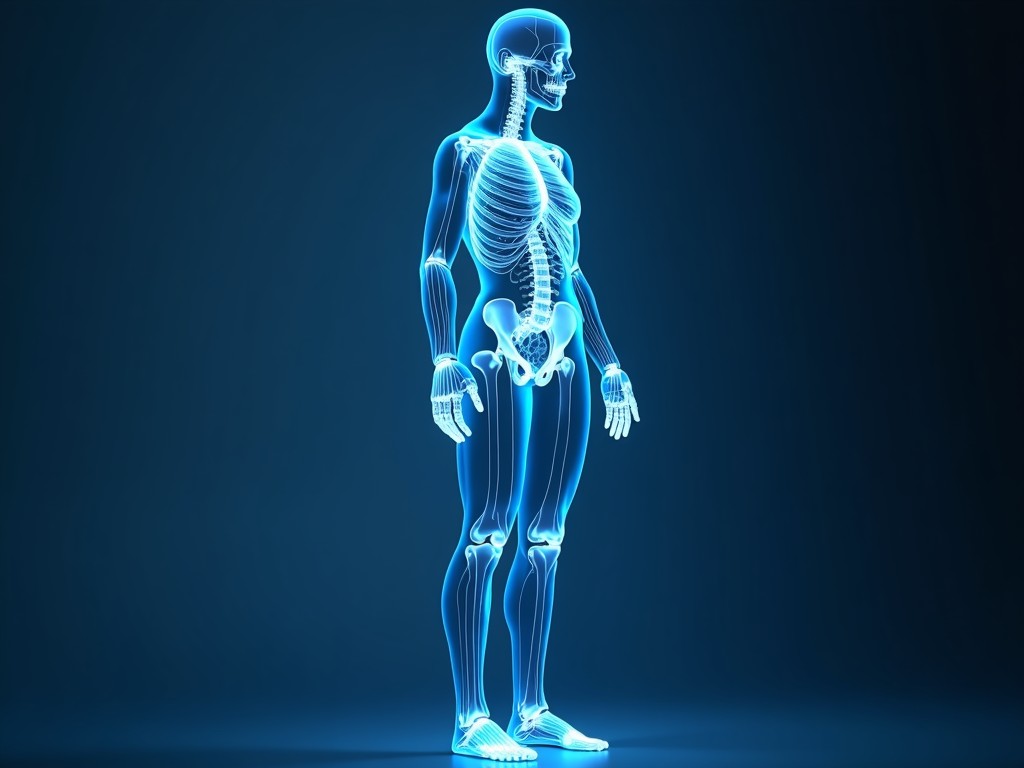
Custom Body Fat Analyzer With Printer
This instrument combines bioelectrical impedance analysis (BIA) with an on‑site thermal printer to deliver immediate, hard‑copy body composition reports. The system measures resistance and reactance
Inquire NowCustom Body Fat Analyzer with Integrated Printer
This instrument combines bioelectrical impedance analysis (BIA) with an on‑site thermal printer to deliver immediate, hard‑copy body composition reports. The system measures resistance and reactance at multiple frequencies to estimate fat mass, lean mass, total body water, and segmental distribution, then formats the results for direct printing without requiring a PC or network connection.
Measurement uses a tetra‑polar electrode arrangement with a drive frequency of 5 kHz to 500 kHz, enabling differentiation between extracellular and intracellular water. The printer employs a 58 mm wide thermal roll with a resolution of 203 dpi, producing legible reports in under 4 seconds per page.
Technical Specifications
| Parameter | Typical Value |
|---|---|
| Measurement Range (Fat Mass) | 2 % – 60 % of body weight |
| Impedance Resolution | 0.1 Ω |
| Print Speed | 20 mm/s (≈4 s per A6 sheet) |
| Power Supply | 100‑240 V AC, 50/60 Hz, 15 VA |
| Operating Temperature | 10 °C – 40 °C |
| Dimensions (W×D×H) | 210 mm × 150 mm × 80 mm |
| Weight | 1.2 kg |
Key Features
- Segmental analysis (arms, legs, trunk) with separate impedance values for each limb.
- Repeatability better than ±1.5 % fat mass under controlled hydration.
- Thermal printer uses BPA‑free paper, producing smudge‑free output without ink cartridges.
- USB‑C host port for optional data export; Bluetooth LE available for wireless transfer.
- Auto‑zero and self‑diagnostic routine runs at power‑up to verify electrode contact.
Typical Applications
In fitness facilities, trainers use the printed report to show clients tangible changes in fat‑free mass after a training cycle, reinforcing program adherence. Medical nutrition clinics rely on the segmental data to assess fluid shifts in edema or dialysis patients, where immediate hard copy supports bedside decision‑making. Research laboratories benefit from the built‑in printer when conducting field studies, eliminating the need to carry laptops or rely on intermittent connectivity. Corporate wellness programs deploy the device in on‑site health fairs because the self‑contained unit prints results within seconds, allowing high‑throughput screening without IT infrastructure.
Customization Options
Electrode configuration can be changed from the standard four‑contact hand‑to‑foot layout to a eight‑contact segmental array for enhanced torso resolution. The printer module is interchangeable between a 58 mm thermal roll and a 80 mm wide roll for larger format reports. Enclosure material options include ABS plastic for lightweight portability or 304‑grade stainless steel for environments requiring frequent cleaning or higher ingress protection (IP65). Firmware can be tailored to output custom data fields such as basal metabolic rate or visceral fat level, and communication protocols can be set to MODBUS TCP or HL7 upon request.
Quality Assurance
Each unit undergoes a three‑point calibration against a reference DXA scanner, with adjustment factors stored in non‑volatile memory. The impedance measurement traceability is maintained to national standards via a calibrated resistor network inspected every six months. Functional testing includes 100 % verification of print contrast, battery‑independent operation, and electrode contact detection before shipment. A statistical process control chart tracks repeatability across production lots, ensuring that the standard deviation of fat‑mass readings remains below 0.8 % for a 70 kg subject.
Frequently Asked Questions
Can the measurement electrodes be repositioned for different subject sizes?
Yes, the electrode straps feature adjustable lengths and quick‑release buckles, accommodating limb circumferences from 18 cm to 45 cm while maintaining consistent contact pressure.
What file formats are available for exported data?
Exported data can be saved as CSV, JSON, or plain text via the USB‑C host; Bluetooth LE transmits the same formats in real time to a paired mobile device.
Is the thermal paper recyclable?
The paper uses a BPA‑free, phenol‑free coating that is compatible with standard paper recycling streams after use.
To discuss specific configuration requirements, request a formal quotation, or arrange a unit evaluation, please contact our sales team using the link below.
Request Quote & Technical Consultation