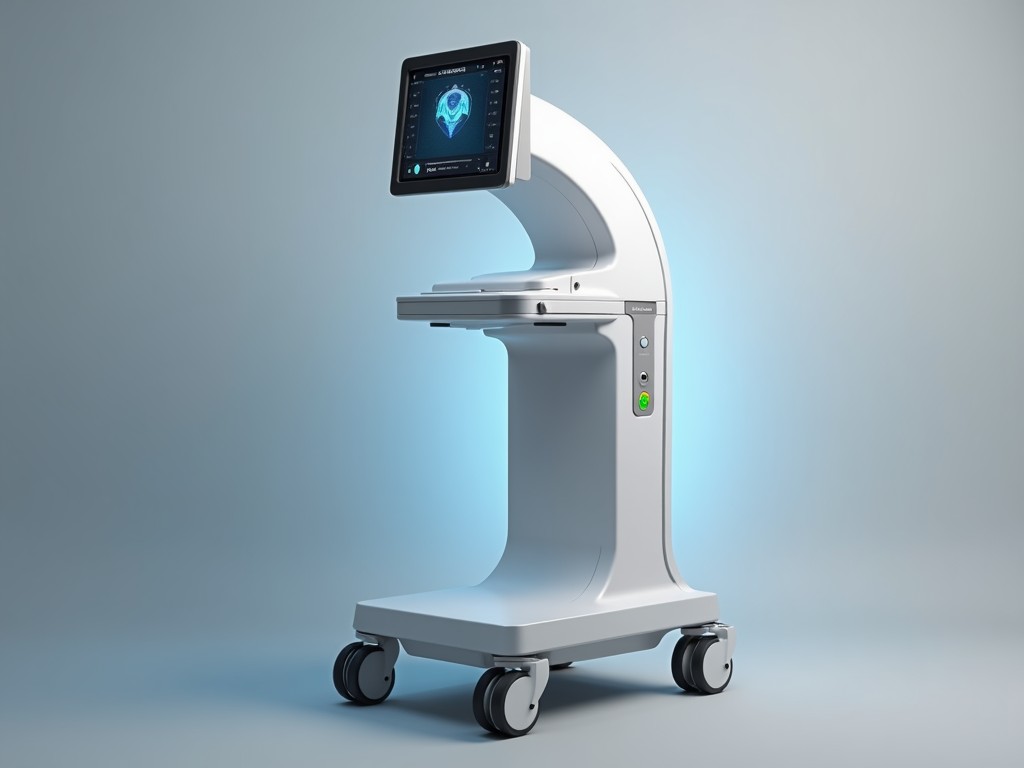
Cost Effective Body Fat Testing Machine
Body composition analysis is essential for monitoring health, athletic performance, and nutritional status. Traditional methods such as skinfold calipers or hydrostatic weighing require trained
Inquire NowCost-Effective Body Fat Testing Machine
Body composition analysis is essential for monitoring health, athletic performance, and nutritional status. Traditional methods such as skinfold calipers or hydrostatic weighing require trained operators and can be uncomfortable for subjects.
A bioelectrical impedance analysis (BIA) device estimates body fat percentage by measuring the resistance of tissues to a low‑level alternating current. The technique is non‑invasive, repeatable, and provides results in seconds.
Technical Specifications
| Parameter | Typical Value | Notes |
|---|---|---|
| Measurement Method | Tetra‑polar BIA | Four electrodes (hand‑to‑foot) |
| Frequency Range | 5 kHz – 500 kHz | Multi‑frequency for intra‑ and extracellular water |
| Body Fat Range | 3 % – 50 % | Validated against DXA reference |
| Repeatability (CV) | ≤1.5 % | Same‑day, same‑subject measurements |
| Measurement Time | < 10 seconds | Includes electrode contact and data processing |
| Display | Backlit LCD, 128 × 64 px | Shows % fat, % muscle, visceral level, BMI |
| Power Supply | Rechargeable Li‑ion 3.7 V, 2000 mAh | Up to 8 hours continuous operation |
| Operating Temperature | 10 °C – 40 °C | Indoor use only |
Operating Principle
The device sends a harmless alternating current through the body via surface electrodes. Because fat tissue conducts electricity poorly while lean tissue (muscle, water) conducts well, the measured impedance correlates with the proportion of each component. Multi‑frequency analysis improves accuracy by distinguishing intracellular and extracellular water, reducing variability caused by hydration changes.
Proper electrode placement—typically on the right hand and right foot—ensures a consistent current path. The built‑in algorithm applies empirically derived equations that have been cross‑validated against dual‑energy X‑ray absorptiometry (DXA) across diverse populations.
Typical Applications
Fitness centers use the machine for member onboarding and progress tracking, allowing trainers to adjust programs based on actual fat‑mass changes rather than weight alone.
Corporate wellness programs benefit from rapid, private screenings that can be conducted in a conference room, supporting health‑risk assessments without requiring specialized staff.
Clinical nutrition clinics employ the device for monitoring patients undergoing weight‑management or dialysis, where frequent, low‑cost assessments are preferable to periodic DXA scans.
Sports science labs rely on the portability to perform field testing during training camps, where bringing a DXA scanner is impractical.
Comparison with Alternative Methods
| Method | Equipment Cost | Operator Skill Required | Measurement Time | Typical Error vs. DXA |
|---|---|---|---|---|
| Cost‑Effective BIA Machine | $1,200 – $1,800 | Minimal (basic training) | < 10 s | ±2–3 % body fat |
| Skinfold Calipers | $200 – $500 | High (certified technician) | 5–10 min | ±3–4 % body fat |
| DXA Scan | $40,000 – $100,000 | Moderate (radiology tech) | 6–12 min | Reference (0 %) |
| Hydrostatic Weighing | $10,000 – $20,000 | High (specialized staff) | 10–15 min | ±2–3 % body fat |
Quality and Reliability
Each unit undergoes factory calibration using precision resistors that simulate known tissue impedances. The calibration trace is stored internally and can be verified via a built‑in self‑test routine that runs at power‑up.
Housing is constructed from ABS‑PC blend with reinforced corners to withstand drops from 0.5 m. Electrode contacts are gold‑plated brass to minimize oxidation and ensure consistent signal transmission over thousands of cycles.
Firmware includes automatic gain control and motion‑artifact detection; if movement exceeds a preset threshold, the measurement is discarded and the user is prompted to repeat.
Customization Options
- Alternative electrode configurations (hand‑to‑hand, foot‑to‑foot) available upon request.
- Choice of display languages (English, Spanish, Mandarin) selectable via menu.
- Optional Bluetooth module for data export to mobile apps or cloud platforms.
- Custom logo or branding on the enclosure via laser etching.
- Extended‑life battery pack (up to 12 hours) for field‑only deployments.
Frequently Asked Questions
Can the measurement be performed through clothing?
For optimal accuracy, electrodes should contact bare skin. Thin, non‑conductive garments (e.g., cotton t‑shirt) may be tolerated but can increase impedance error; we recommend removing socks and shoes for foot electrodes.
What information is needed before quotation?
Please provide expected annual volume, any required certifications (CE, FCC), and whether you need optional accessories such as carrying case or Bluetooth module.
How is quality inspected?
Every unit receives a 100 % functional test, impedance verification against reference resistors, and a visual inspection of electrode contacts and enclosure.
What is the typical production lead time?
Standard models ship within 3‑4 weeks after receipt of purchase order; customized configurations may add 1‑2 weeks.