China Body Composition Analysis Methods Explained
Body composition analysis quantifies the proportions of fat, muscle, bone, and water in the human body, providing data essential for health assessment, athletic training, and clinical diagnostics. In
Inquire NowChina Body Composition Analysis Methods Explained
Body composition analysis quantifies the proportions of fat, muscle, bone, and water in the human body, providing data essential for health assessment, athletic training, and clinical diagnostics.
In China, research institutions and manufacturers have refined several methods to suit large‑scale screening, portable devices, and laboratory reference standards, balancing accuracy with cost and throughput.
Principal Methods Overview
Bioelectrical impedance analysis (BIA) measures the resistance of body tissues to a low‑level alternating current, estimating total body water and deriving fat‑free mass through empirical equations.
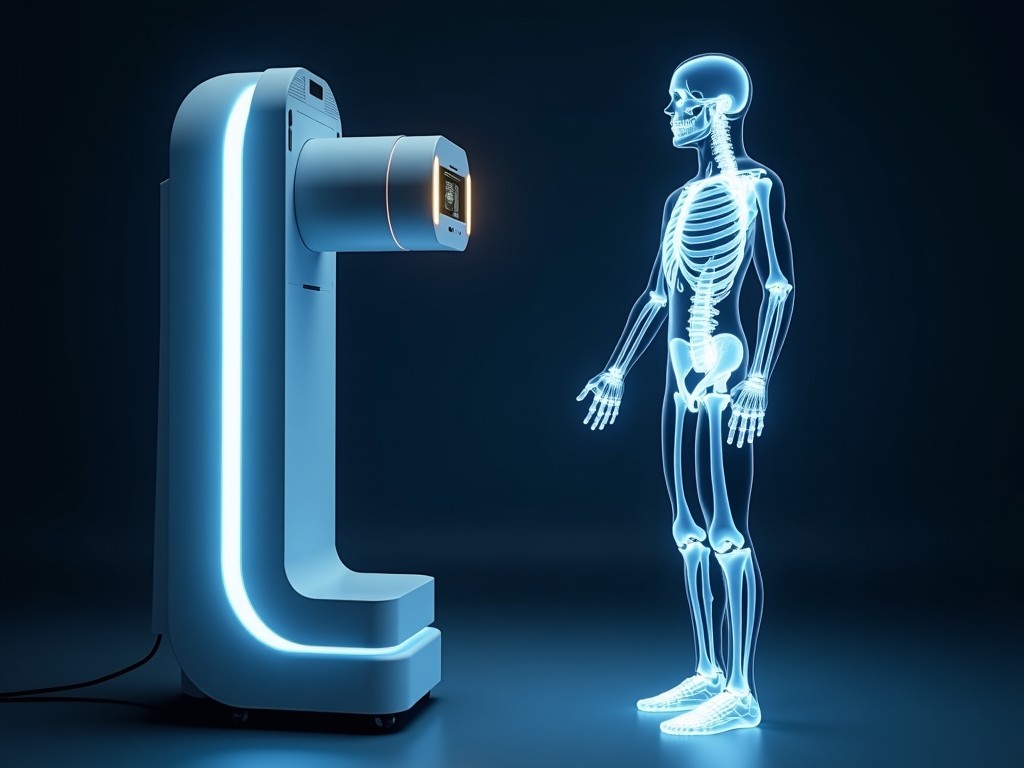
Dual‑energy X‑ray absorptiometry (DXA) employs two X‑ray peaks at different energies to differentiate bone mineral from soft tissue, delivering regional fat, lean, and bone mass with high precision.
Skinfold caliper measurement estimates subcutaneous fat thickness at standardized anatomical sites, using population‑specific equations to predict total body fat.
Hydrostatic weighing determines body density by measuring underwater weight, applying Archimedes’ principle to calculate fat mass from the difference between dry and submerged weight.
Air displacement plethysmography (ADP) calculates body volume from the pressure change inside a closed chamber when a subject sits inside, deriving body density and subsequently fat percentage.
| Method | Principle | Typical Accuracy (error %) | Typical Equipment Cost (relative) | Measurement Time | Typical Application |
|---|---|---|---|---|---|
| BIA | Impedance of low‑level current | ±3‑5% (hydration dependent) | Low | <30 s | Wearable devices, gym scales, clinic screening |
| DXA | Dual‑energy X‑ray attenuation | ±1‑2% | High | 5‑10 min | Reference standard, research labs, osteoporosis assessment |
| Skinfold | Subcutaneous thickness at sites | ±3‑4% (technician dependent) | Very low | 2‑5 min | Field surveys, sports teams, public health |
| Hydrostatic Weighing | Underwater weight, body density | ±1‑2% | Medium | 10‑15 min | Laboratory validation, athletic testing |
| ADP | Air displacement, body volume | ±2‑3% | Medium | 3‑5 min | Clinical research, fitness centers, corporate wellness |
Industrial Applications
Manufacturers of wearable fitness devices integrate BIA sensors to provide users with real‑time fat‑mass estimates, enabling continuous monitoring during workouts and daily activities.
Clinical equipment makers use DXA as a reference standard for validating new body‑composition algorithms, ensuring that emerging technologies meet regulatory accuracy requirements.
Sports science laboratories often combine skinfold measurements with ultrasound to track athlete musculature over training cycles, supporting personalized nutrition and recovery programs.
Customization and Integration Options
OEMs can select electrode configurations, drive frequencies, and signal‑processing firmware to match product form factors, optimizing signal‑to‑noise ratio for specific anatomical sites.
Software development kits (SDKs) are available for exporting raw impedance data or derived indices via USB, Bluetooth, or UART interfaces, facilitating seamless integration with mobile apps or cloud analytics platforms.
Calibration services traceable to national standards ensure measurement repeatability across production batches, reducing field failure rates and supporting warranty compliance.
Frequently Asked Questions
Q: Can the measurement electrodes be customized for atypical body shapes?
A: Yes, electrode geometry and spacing can be adjusted based on target population and device ergonomics, with validation performed on a representative sample set.
Q: What information is required before quotation for an OEM BIA module?
A: Required details include intended measurement site, desired frequency range, output data format, power constraints, and any regulatory certifications needed for the target market.
Q: How is quality inspection conducted for produced sensors?
A: Each lot undergoes impedance linearity testing, baseline offset verification, and temperature drift assessment, with acceptance criteria defined per IPC‑A‑610 class 2 standards.