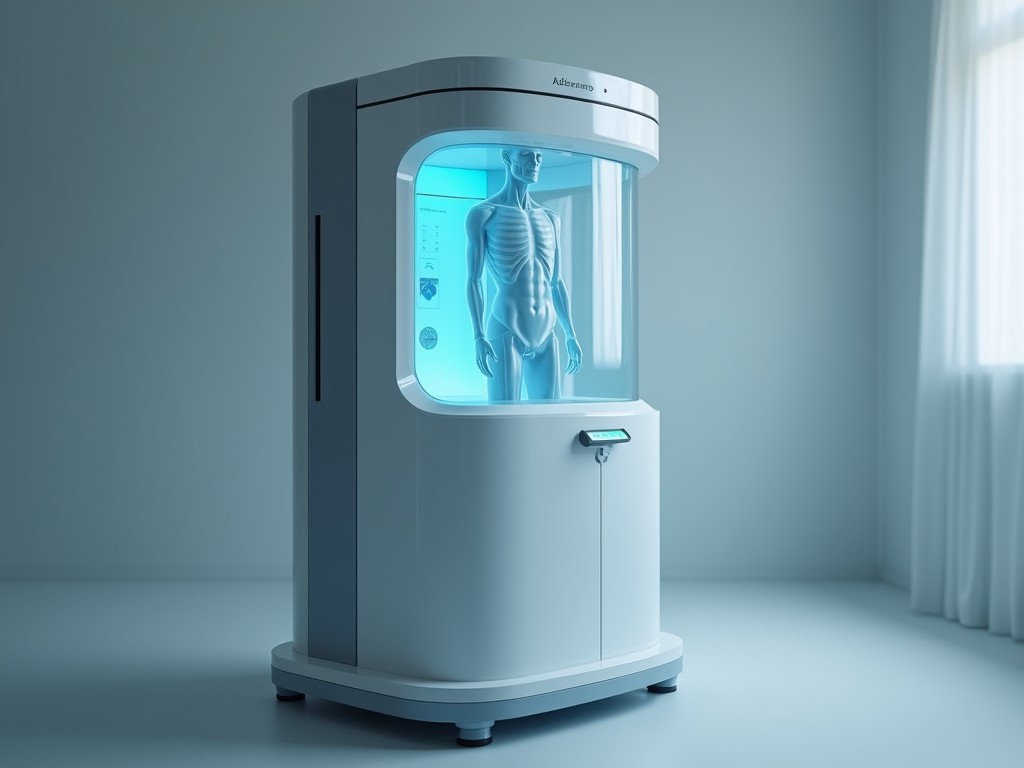
China Body Composition Analysis Device Machine
Body composition analysis devices measure the proportions of fat, lean mass, and total body water using bioelectrical impedance analysis (BIA). By sending a low‑level alternating current through the
Inquire NowChina Body Composition Analysis Device Machine
Body composition analysis devices measure the proportions of fat, lean mass, and total body water using bioelectrical impedance analysis (BIA). By sending a low‑level alternating current through the torso and limbs, the device calculates impedance values that correlate with tissue composition. This method provides a non‑invasive, repeatable assessment suitable for tracking changes over time in clinical, fitness, and research settings.
Measurement Principle and Technical Features
The device employs multi‑frequency BIA, typically ranging from 5 kHz to 500 kHz, to differentiate intracellular and extracellular water. Segmental electrodes placed on the hands and feet enable separate impedance readings for each limb and the trunk, allowing estimation of regional muscle and fat distribution.
- Eight‑point tactile electrodes ensure consistent contact pressure.
- Automatic polarity reversal reduces polarization error.
- Built‑in temperature sensor compensates for skin‑temperature variation.
Measurement cycles are completed in under 30 seconds, with results displayed as percentage body fat, fat‑free mass, basal metabolic rate, and segmental lean mass indices.
Typical Specifications
| Parameter | Typical Value / Range | Unit |
|---|---|---|
| Measurement Method | Multi‑frequency Bioelectrical Impedance Analysis | – |
| Frequency Range | 5 kHz – 500 kHz (8 frequencies) | Hz |
| Electrodes | 8‑point tactile, stainless steel | – |
| Measurement Time | ≤ 30 s | seconds |
| Weight Capacity | Up to 250 kg | kg |
| Display | Touchscreen LCD, 7‑inch, 800×480 | – |
| Data Output | USB, Bluetooth, optional Wi‑Fi | – |
| Power Supply | AC 100‑240 V, 50/60 Hz | V |
Industrial Applications
In fitness centers, the device supports personalized training programs by providing baseline and progress metrics for fat loss and muscle gain. Because the measurement is quick and requires minimal user preparation, it can be integrated into member check‑in workflows without causing bottlenecks.
Medical clinics use the segmental results to assess edema, sarcopenia, and nutritional status in patients undergoing dialysis or chemotherapy. The multi‑frequency capability helps distinguish fluid shifts that single‑frequency devices may miss.
Research laboratories rely on the device’s repeatability (coefficient of variation < 2 % under controlled conditions) for longitudinal studies on aging, obesity interventions, and athletic performance.
Customization Options
Manufacturers can adjust electrode layout to accommodate special populations such as pediatric users or amputees. Software interfaces are available in multiple languages and can be configured to export data in CSV, HL7, or proprietary formats for integration with electronic health records.
- Optional hand‑grip electrodes for users with limited foot mobility.
- Custom branding of the touchscreen interface.
- Extended warranty and on‑site calibration service packages.
Quality Control and Validation
Each unit undergoes a two‑point impedance calibration using precision resistors traceable to national standards. Prior to shipment, the device is compared against dual‑energy X‑ray absorptiometry (DEXA) on a sample cohort; the mean difference in body fat percentage is kept within ± 1.5 % to ensure clinical acceptability.
Manufacturing follows ISO 9001 procedures, with in‑process inspections of electrode conductivity, display pixel uniformity, and battery isolation. Final functional testing includes a 48‑hour burn‑in cycle to detect early‑life failures.
Ordering and Support
To receive a formal quotation, please provide the intended application environment, required electrode configuration, and any software integration needs. Our technical team will respond with a detailed specification sheet, lead time, and pricing within two business days.
Frequently Asked Questions
A: Yes, the device includes adjustable straps that allow the hand and foot electrodes to accommodate torso lengths from 150 mm to 210 mm while maintaining consistent contact pressure.
Q: What file formats are available for exporting measurement data?
A: Standard export options include CSV and JSON. HL7 and DICOM wrappers are available upon request for hospital information system integration.
Q: Is the device suitable for use with pacemakers or other implanted electronic devices?
A: The current used is below 1 mA RMS, which is generally considered safe, but users with implanted electronic devices should consult their physician before measurement.