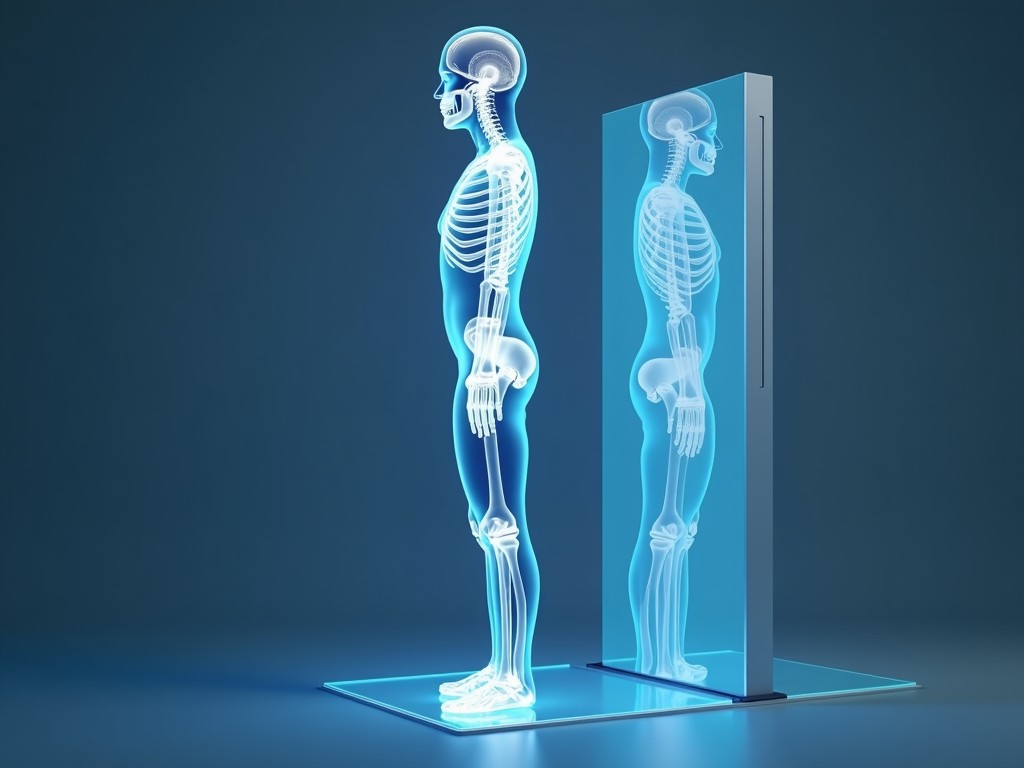
China Bia Body Composition Analyzer
This instrument measures body composition using multi‑frequency bioelectrical impedance analysis (BIA). It provides segmental values for fat mass, lean mass, total body water, and bone mineral
Inquire NowChina BIA Body Composition Analyzer
This instrument measures body composition using multi‑frequency bioelectrical impedance analysis (BIA). It provides segmental values for fat mass, lean mass, total body water, and bone mineral estimates. The device is designed for repeated use in clinical, fitness, and research environments where consistent, reproducible data are required.
Technical Specifications
| Parameter | Typical Value | Unit |
|---|---|---|
| Measurement Frequencies | 1, 5, 50, 250, 500, 1000 | kHz |
| Impedance Range | 150 – 1200 | Ω |
| Current Excitation | ≤ 0.8 | mA (rms) |
| Segmental Channels | 5 (arms, legs, trunk) | – |
| Display Resolution | 0.1 | % for fat, 0.1 kg for mass |
| Power Supply | 100 – 240 VAC, 50/60 Hz | V |
| Operating Temperature | 10 – 40 | °C |
Measurement Principle
The analyzer applies a low‑amplitude alternating current through surface electrodes and measures the resulting voltage drop. Impedance varies with the ionic conductivity of tissues; fat‑free mass conducts better than adipose tissue. By analyzing impedance at multiple frequencies, the device separates extracellular and intracellular water, enabling calculation of fat mass, lean mass, and total body water using validated empirical equations.
Applications
In sports science, segmental data help trainers assess muscular imbalances and monitor training‑induced hypertrophy. Clinicians use the same metrics to track fluid shifts in dialysis patients or to evaluate sarcopenia in aging cohorts. Researchers benefit from the high‑frequency capability, which allows investigation of intracellular water changes during metabolic interventions.
Customization Options
- Electrode configuration: hand‑to‑hand, foot‑to‑foot, or hybrid hand‑foot setups
- Frequency selection: choose any subset from 1 kHz to 1 MHz for specialized protocols
- Software interface: USB, Bluetooth, or LAN with HL7‑compatible data export
- Enclosure material: ABS plastic for portable units or powder‑coated steel for fixed installations
- Calibration kit: includes precision resistors and saline solutions for traceable verification
Quality Assurance
Each unit undergoes a three‑stage verification: first, impedance linearity is checked against a network of precision resistors; second, phase angle accuracy is validated using a phantom torso with known conductivity; third, repeatability is confirmed by measuring ten consecutive readings on a volunteer and calculating the coefficient of variation, which must be below 1.5 %. All test data are retained for traceability to national metrology standards.
Frequently Asked Questions
A: Yes, the electrode straps feature sliding mechanisms that accommodate limb circumferences from 18 cm to 45 cm while maintaining consistent contact pressure.
A: We need the intended measurement protocol (frequencies, segments), expected usage frequency, and any required certifications (e.g., CE, FDA).
A: Standard ABS for handheld models; optional stainless steel or aluminum alloy for wall‑mounted or high‑traffic installations.
A: Each device receives a functional test, a safety dielectric withstand test, and a visual inspection for cosmetic defects; only units passing all three are packaged.
A: Units are placed in anti‑static foam inserts, then housed in double‑wall corrugated cartons with corner reinforcements and humidity‑indicating desiccants.
Contact Us
To discuss configuration options, lead times, or request a formal quotation, please use the inquiry form below. Our engineering team will respond with a detailed technical proposal within two business days.