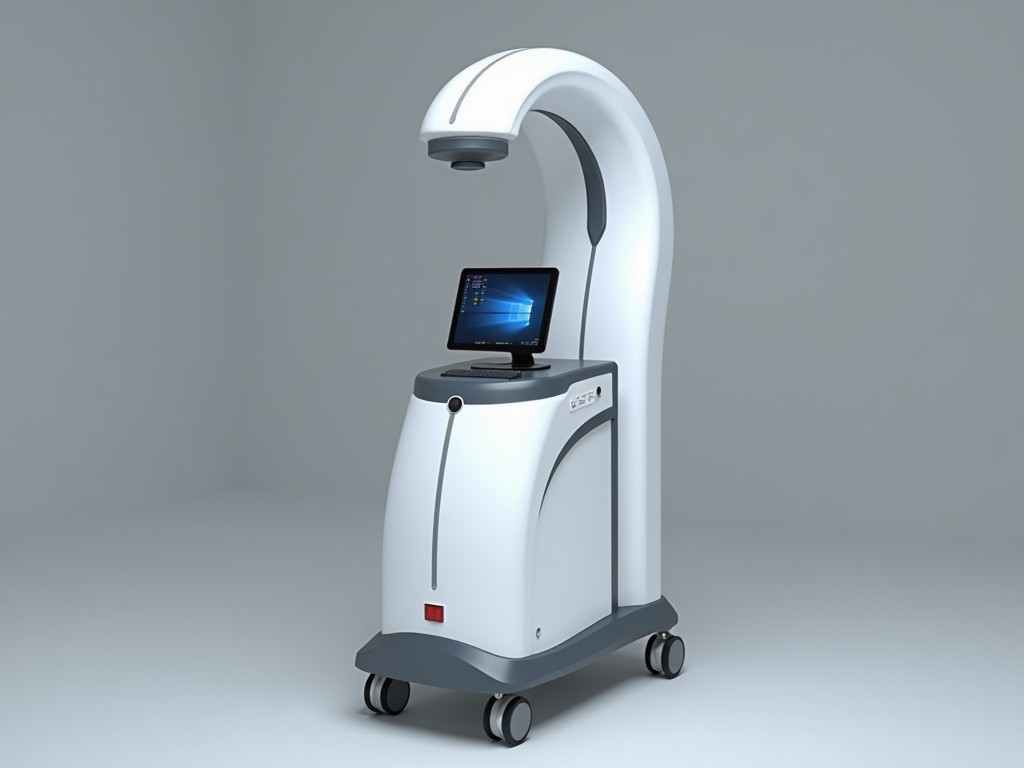
Buy Electrode Body Fat Analyzer
An electrode body fat analyzer estimates body composition by measuring the electrical impedance of tissues using surface electrodes. The method, known as bioelectrical impedance analysis (BIA),
Inquire NowElectrode Body Fat Analyzer
An electrode body fat analyzer estimates body composition by measuring the electrical impedance of tissues using surface electrodes. The method, known as bioelectrical impedance analysis (BIA), relies on the differing conductive properties of fat‑free mass (high water content) and adipose tissue (lower water content) when a low‑level alternating current passes through the body.
The device applies a multi‑frequency current, typically ranging from 5 kHz to 250 kHz, through pairs of electrodes placed on the hands, feet, or both. Impedance values at each frequency are recorded and fed into empirically derived equations that calculate total body water, fat‑free mass, and subsequently body fat percentage. Because the current is well below sensory thresholds, the procedure is non‑invasive, repeatable, and suitable for frequent monitoring.
Typical electrode configurations include four‑electrode hand‑to‑hand or foot‑to‑foot setups for whole‑body analysis, and eight‑electrode arrangements that enable segmental estimation of limbs and trunk. Electrode materials range from disposable silver/silver chloride (Ag/AgCl) pads for hygienic single‑use applications to reusable stainless steel contacts for high‑throughput environments.
| Parameter | Typical Value / Range |
|---|---|
| Measurement Method | Bioelectrical Impedance Analysis (BIA) |
| Operating Frequencies | 5 kHz, 50 kHz, 250 kHz (multi‑frequency) |
| Electrode Type | Disposable Ag/AgCl or reusable stainless steel |
| Body Fat % Range | 3 % – 50 % |
| Impedance Range | 150 Ω – 1200 Ω |
| Display | 128×64 pixel LCD with backlight |
| Power Supply | 4×AA alkaline batteries or USB‑C 5 V |
| Operating Temperature | 10 °C – 40 °C |
| Dimensions (L×W×H) | 120 mm × 80 mm × 30 mm |
| Weight (incl. batteries) | ≈150 g |
| Data Output | USB, Bluetooth LE (optional) |
| Calibration Reference | Factory calibrated against DXA |
Measurement Principle: A constant‑amplitude alternating current is injected via the source electrodes. The resulting voltage drop across the sensing electrodes yields the impedance magnitude and phase. At low frequencies the current paths are limited to extracellular fluid, while higher frequencies penetrate intracellular compartments. By analysing the frequency‑dependent impedance spectrum, the device separates extracellular water, intracellular water, and the residual component associated with lipid tissue, enabling calculation of fat mass using validated population‑specific equations.
- Multi‑frequency excitation improves tissue compartment resolution.
- Segmental electrodes allow limb‑specific fluid assessment.
- Low‑power design permits extended battery life (>200 hours typical).
- On‑board memory stores up to 1000 measurement cycles.
- Optional Bluetooth LE enables wireless sync to mobile health apps.
Applications: In fitness facilities the analyzer provides trainers with rapid, repeatable body‑fat trends to tailor exercise and nutrition programs. Clinical settings use it for sarcopenia screening, malnutrition assessment, and monitoring fluid shifts in dialysis or cardiac patients. Research laboratories employ the device in epidemiological studies where large‑scale, low‑cost body‑composition data are required. Corporate wellness programs integrate periodic measurements to evaluate the effectiveness of health‑intervention initiatives, while sports teams utilize segmental data to optimize hydration status and muscle‑symmetry training.
Customization Options: Electrode geometry can be adjusted for specific contact sites (e.g., larger foot pads for industrial safety boots, compact hand grips for portable units). Cable length and connector type (straight, right‑angle, latching) are selectable to accommodate different mounting arrangements. Housing material choices include impact‑resistant ABS for general use or UV‑stabilized polycarbonate for outdoor or high‑humidity environments. Firmware can be tailored to output custom metrics (e.g., visceral fat estimate, basal metabolic rate) and to support proprietary data‑transfer protocols via USB or Bluetooth.
Quality Control: Each unit undergoes incoming inspection of electrode contacts for resistance continuity and surface cleanliness. Functional testing verifies impedance measurement accuracy across the specified frequency range using precision reference resistors. Devices are subjected to temperature cycling (‑10 °C to +50 °C) and humidity soak to ensure drift remains within ±2 % over the operating range. Final calibration is performed against a calibrated impedance box traceable to national standards, and each analyzer receives a unique serial number linked to its calibration record for traceability.
Frequently Asked Questions
Can the measurement frequency be customized?
Yes. The frequency schedule can be adjusted according to project requirements, subject to hardware limits of the signal‑generation circuit.
What information is needed for a quotation?
Please provide the intended application, desired electrode configuration, any required certifications (e.g., IEC 60601‑1 for medical use), volume estimate, and preferred delivery timeline.
How is the device calibrated before shipment?
Each analyzer is factory‑calibrated against a precision impedance reference traceable to NIST, with a calibration certificate supplied upon request.
Typical production lead time is 4–6 weeks for standard configurations; customized orders may extend to 8–10 weeks depending on tooling and firmware development.
Request a Quote