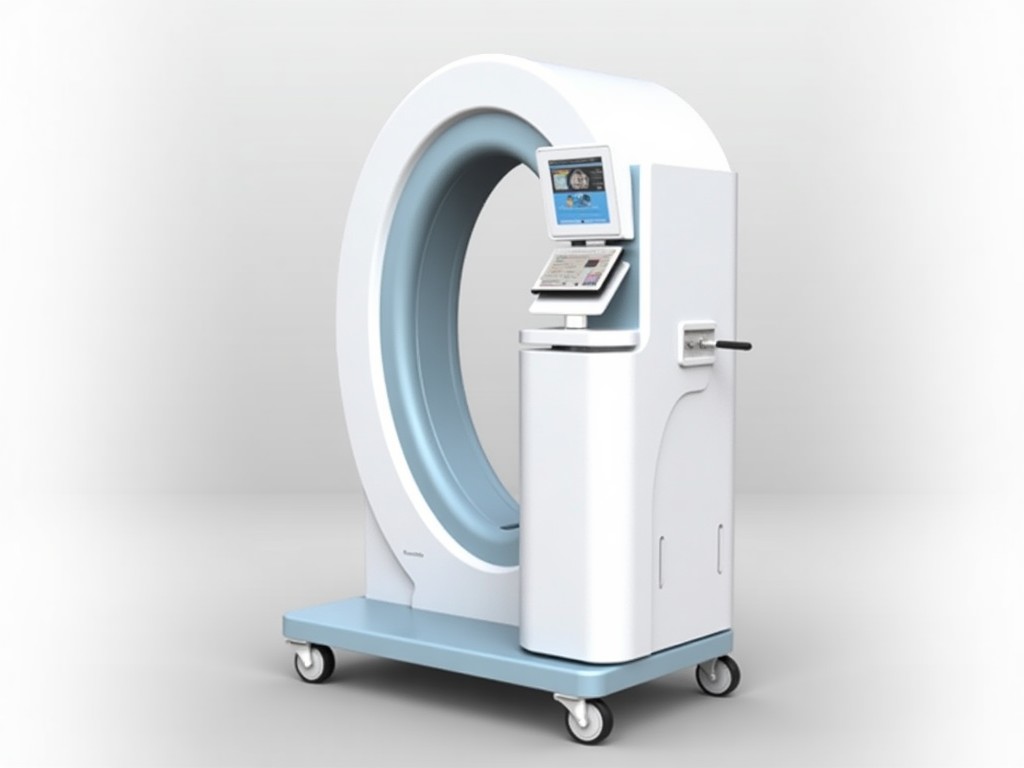
Buy Body Fat Testing Machine Supplier
These devices determine body composition by sending a low‑level electrical current through tissue and measuring impedance. The resistance encountered varies with fat, muscle, and water content,
Inquire NowBody Fat Testing Machines for Industrial Procurement
Measurement Technology Overview
These devices determine body composition by sending a low‑level electrical current through tissue and measuring impedance. The resistance encountered varies with fat, muscle, and water content, allowing calculation of fat percentage using validated equations.
Typical operating frequencies range from 5 kHz to 500 kHz, with multi‑frequency models offering improved accuracy across different hydration states.
Key Technical Parameters
| Parameter | Typical Range | Notes |
|---|---|---|
| Measurement Method | Bioelectrical Impedance Analysis (BIA) | Non‑invasive, safe for repeated use |
| Frequency Range | 5 kHz – 500 kHz (single‑ or multi‑frequency) | Higher frequencies improve intracellular water assessment |
| Electrode Type | Surface electrodes (hand‑to‑foot or foot‑to‑foot) | Standardized placement reduces variability |
| Output Metrics | Fat %, Fat‑free mass, Total body water, Basal metabolic rate | Derived via manufacturer‑specific algorithms |
| Repeatability (CV) | ≤ 1.5 % under controlled conditions | Requires consistent electrode placement and subject preparation |
| Power Supply | 100‑240 V AC, 50/60 Hz, ≤ 15 W | Universal input for global deployment |
Typical Industrial Applications
In wellness centers, these machines support member assessments for personalized fitness programs. The rapid, non‑invasive nature allows high‑throughput screening without specialized personnel.
Corporate health programs use the data to track employee wellness trends over time, enabling evidence‑based intervention strategies.
Research facilities rely on the longitudinal stability of BIA measurements to study interventions such as nutrition or exercise protocols, where minimizing subject burden is critical.
- Fitness club chains – periodic member tracking
- Occupational health providers – baseline and follow‑up exams
- Academic labs – cohort studies and trial monitoring
Design and Construction Considerations
Housings are typically constructed from ABS or polycarbonate blends, offering impact resistance while keeping weight under 2 kg for portable units. Electrode surfaces use stainless steel or conductive rubber to maintain consistent contact impedance.
Internal circuitry includes isolation amplifiers and driven‑right‑leg circuits to reduce noise and ensure patient safety according to IEC 60601‑1 standards.
Display modules range from monochrome LCDs to color touchscreens, with resolution sufficient for clear numeric read‑out and menu navigation.
Quality Assurance Philosophy
Each unit undergoes functional verification of impedance measurement accuracy using precision resistors calibrated to traceable standards. Software algorithms are validated against reference methods such as DXA on a representative sample set.
Environmental testing includes temperature cycling (‑10 °C to +50 °C) and humidity exposure to confirm operation in varied facility climates.
Final inspection checks electrode integrity, display functionality, and safety grounding continuity before packaging.
Customization Options
Depending on project requirements, electrode configuration can be adapted for hand‑to‑foot, foot‑to‑foot, or segmental arrangements. Housing colors and branding elements are adjustable via pad printing or interchangeable panels.
Software can be configured to output data in specific formats (CSV, HL7) or to integrate with existing management platforms through APIs.
- Electrode layout – hand‑hand, foot‑foot, segmental
- Enclosure material – ABS, polycarbonate, antimicrobial coating
- Interface – physical keys, touchscreen, remote console
- Language packs – selectable UI languages
Frequently Asked Questions
Can measurement parameters be adjusted for specific populations?
Yes, the underlying equations can be fine‑tuned based on age, ethnicity, or activity level when sufficient validation data are provided.
What information is required before quotation?
Desired electrode configuration, expected throughput, any required certifications, and preferred delivery timeline help scope the solution accurately.
How are export shipments protected?
Units are packed in double‑wall corrugated cartons with internal foam inserts, and palletized shipments include corner bracing and stretch‑film wrapping to mitigate transit damage.
Next Steps
To discuss how these body fat testing machines can meet your facility’s specifications, please use the link below to initiate a technical inquiry.
Request Technical Consultation