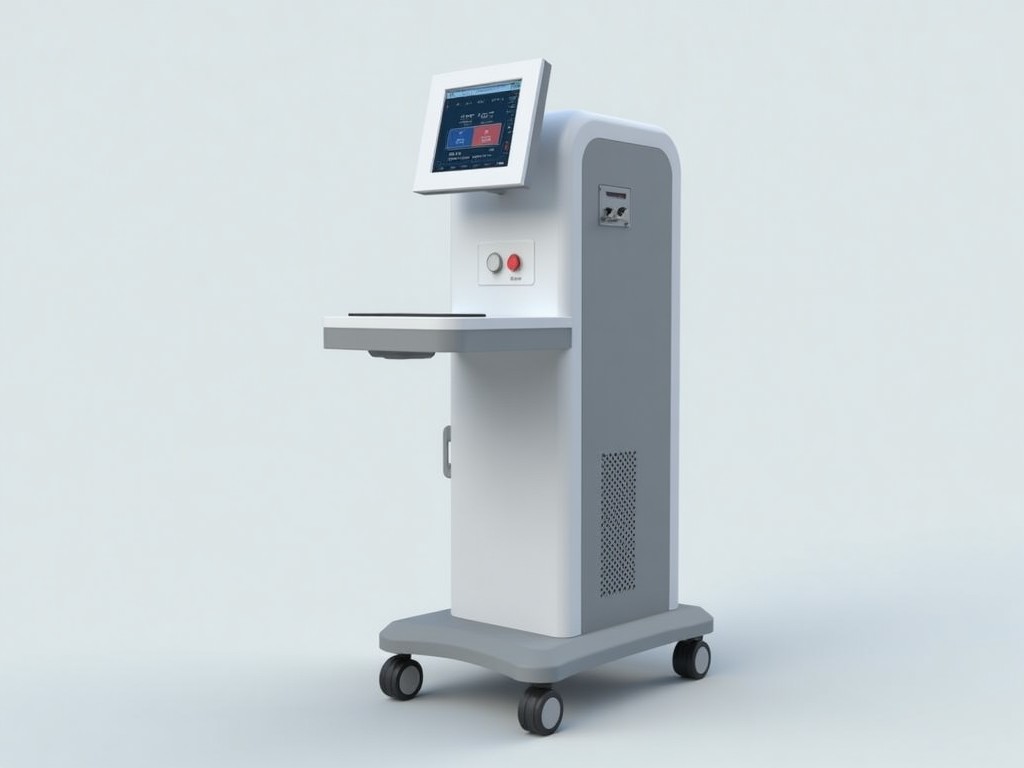
Buy Body Composition Testing Machine Wholesaler
Body composition testing machines quantify the proportions of fat, lean mass, and total body water in a subject using non‑invasive methods. Wholesale buyers typically evaluate these devices for
Inquire NowBuy Body Composition Testing Machine Wholesaler
Body composition testing machines quantify the proportions of fat, lean mass, and total body water in a subject using non‑invasive methods. Wholesale buyers typically evaluate these devices for integration into fitness centers, medical screening programs, or corporate wellness platforms where repeatable, rapid assessments are required.
The most common technology in commercial units is multi‑frequency bioelectrical impedance analysis (BIA). Low‑frequency currents penetrate extracellular water, while higher frequencies pass through cell membranes, allowing the device to separate intracellular and extracellular fluid compartments. Electrode placement—usually hand‑to‑foot or segmental (hand‑hand, foot‑foot)—determines the spatial resolution of the results.
Technical Specifications
| Parameter | Typical Value | Unit | Notes |
|---|---|---|---|
| Measurement Method | Multi‑frequency BIA | – | 5 frequencies: 1, 5, 50, 250, 500 kHz |
| Impedance Range | 150 – 800 | Ω | Depends on subject size and electrode configuration |
| Body Fat Percentage Accuracy | ±1.5 | % (relative to DXA reference) | Validated against dual‑energy X‑ray absorptiometry |
| Repeatability (CV) | ≤0.5 | % | Measured on same subject within 5 min |
| Output Metrics | Fat mass, fat‑free mass, total body water, intracellular water, extracellular water, visceral fat rating | – | Available in kg, %, or L |
| Power Supply | 100‑240 V AC, 50/60 Hz | V | Auto‑switching |
Applications in Wholesale Channels
Fitness facility operators purchase these machines to provide members with baseline and progress assessments that drive personal training sales. The ability to generate segmental reports (arms, legs, trunk) supports targeted program design, which is a differentiating service in competitive markets.
Medical screening centers use the devices for rapid body composition checks prior to interventions such as bariatric surgery or chemotherapy dosing. Because the test takes under 30 seconds and requires no radiation, it fits well into high‑throughput clinics where patient throughput is a key metric.
Corporate wellness programs integrate the equipment into on‑site health fairs. Employers value the immediate, printable report that can be linked to health‑risk questionnaires, enabling data‑driven interventions without the logistical burden of sending staff to external labs.
Customization Options
- Electrode layout: hand‑to‑foot, segmental (hand‑hand, foot‑foot), or wearable strap configurations.
- Software interface: local touchscreen, PC‑based desktop application, or cloud‑connected portal with API access.
- Report language and units: selectable metric/imperial, multiple language packs (EN, ES, FR, DE, ZH).
- Branding: customizable startup screen, report header, and chassis color options for OEM partners.
Quality Control Philosophy
Each unit undergoes a two‑stage verification before leaving the factory. First, impedance linearity is checked using precision resistors traceable to national standards. Second, a phantom with known fluid compartments is measured to confirm that the algorithm converts raw impedance to fat‑free mass within the specified tolerance.
Calibration records are stored with the device’s serial number and can be retrieved via the service menu. This traceability supports compliance with ISO 13485 for medical‑grade versions and with IEC 60601‑1 for electrical safety.
Lead Time, Packaging & Shipping
Standard production lead time is 4‑6 weeks after receipt of a signed purchase order, assuming stocked sub‑assemblies (load cells, electrode cables, PCB modules). Custom firmware or branding adds approximately 1 week per major change.
Units are packed in double‑wall corrugated cartons with interior foam inserts that immobilize the display, electrode cables, and power supply. Corner protectors and moisture‑barrier bags are included for overseas shipments to meet ISTA 3A performance levels.
Request a Quotation
To obtain a formal price quotation, lead‑time confirmation, or sample arrangement, please provide your company name, contact person, required quantity, and any customization preferences. Our technical team will respond within one business day.