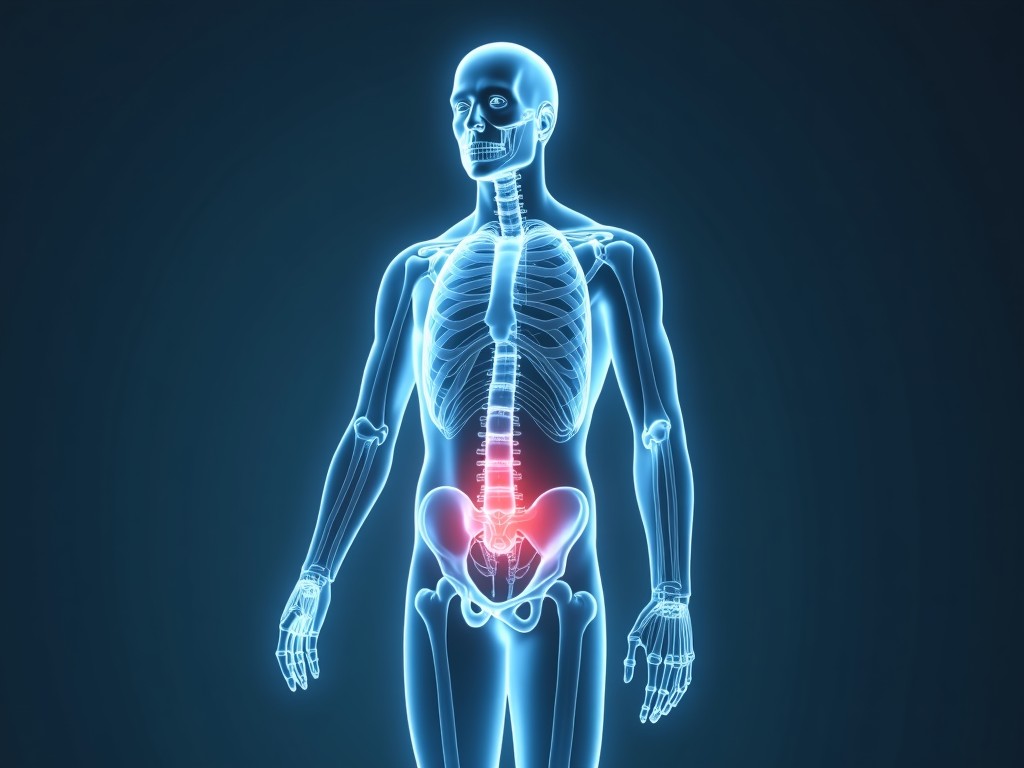
Buy Bia Body Composition Analyzer
Bioelectrical Impedance Analysis (BIA) measures the opposition of body tissues to a low‑level alternating current. By assessing resistance and reactance at multiple frequencies, the device estimates
Inquire NowBuy BIA Body Composition Analyzer
Bioelectrical Impedance Analysis (BIA) measures the opposition of body tissues to a low‑level alternating current. By assessing resistance and reactance at multiple frequencies, the device estimates intracellular and extracellular water, lean mass, and fat mass.
Unlike anthropometric methods, BIA provides segment‑specific data that can be used to monitor changes in hydration status, muscle distribution, and adipose tissue over time.
Measurement Principle
A typical BIA analyzer applies a sinusoidal current of 50 kHz to 500 kHz through surface electrodes placed on the hands and feet. The voltage drop yields impedance (Z), which is vectorially divided into resistance (R) and reactance (Xc).
Using Cole‑Cole or Havriliak‑Negri models, the analyzer solves for extracellular water (ECW), intracellular water (ICW), and subsequently derives fat‑free mass (FFM) and body fat percentage (BFP). Multi‑frequency devices improve accuracy by separating low‑frequency (ECW‑sensitive) and high‑frequency (total water) signals.
Typical Specifications
| Parameter | Value / Range |
|---|---|
| Measurement Frequencies | 5 kHz, 50 kHz, 100 kHz, 200 kHz (configurable) |
| Electrode Type | Surface Ag/AgCl, reusable, snap‑on |
| Current Amplitude | ≤ 0.8 mA rms (IEC 60601‑2‑27 compliant) |
| Impedance Range | 150 Ω – 1200 Ω (typical adult) |
| Output Metrics | Body fat %, FFM, TBW, ECW, ICW, SMM, BMR, Segmental analysis (arms, legs, trunk) |
| Display | 3.5‑inch LCD, 320×240 px, touch‑optional |
| Data Storage | Internal memory 500 records, USB export, optional Bluetooth |
| Power Supply | Rechargeable Li‑ion 3.7 V 2600 mAh, AC adapter 100‑240 V |
| Operating Temperature | 10 °C – 40 °C |
| Dimensions (W×D×H) | 280 mm × 150 mm × 45 mm |
| Weight | 1.2 kg (including battery) |
Industrial and Clinical Applications
In occupational health programs, BIA provides objective baseline data for workers in physically demanding roles, enabling early detection of sarcopenia or fluid shifts linked to heat stress.
Fitness facilities use segmental outputs to tailor resistance‑training programs, tracking changes in limb‑specific lean mass over 4‑week cycles.
Research laboratories rely on multi‑frequency BIA for longitudinal studies on malnutrition, dialysis efficacy, and astronaut reconditioning protocols.
Because the device is non‑invasive and requires minimal technician training, it suits high‑throughput screening environments such as corporate wellness centers and military recruitment stations.
Advantages of Multi‑Frequency BIA
- Separates extracellular and intracellular water, improving hydration assessment.
- Reduces reliance on empirical population‑specific equations.
- Enables segmental analysis for localized fluid accumulation or muscle atrophy.
- Provides repeatable measurements with coefficient of variation typically <2 % under controlled conditions.
Customization Options
Electrode cable length, housing color, and firmware language can be adapted to OEM specifications. Optional accessories include a portable carrying case, wireless data module, and extended‑life battery pack.
Quality Assurance
Each unit undergoes impedance verification against a precision resistor network traceable to national standards. Firmware checksums are validated, and electrode contact stability is tested under cyclic flexing to ensure <1 % drift over 10 000 measurement cycles.
Manufacturing follows ISO 13485‑aligned processes, with final inspection including visual inspection, functional test, and safety leakage current measurement (<10 µA).
Request Information
To obtain a formal quotation, discuss integration requirements, or arrange a product evaluation, please contact our technical sales team.