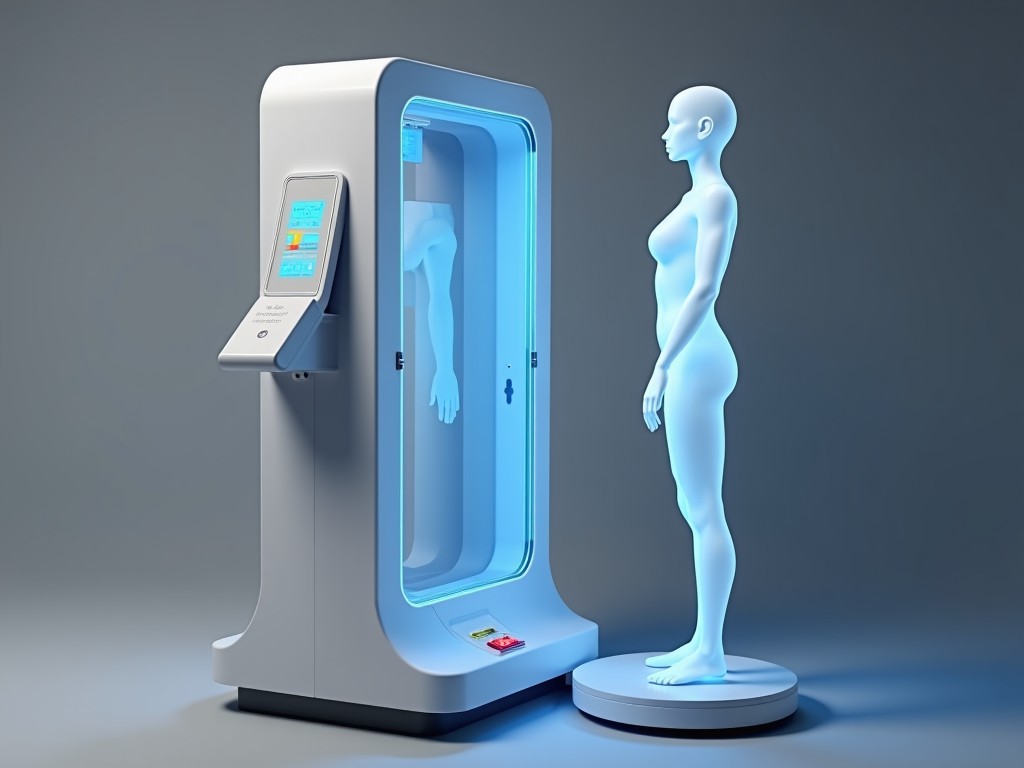
Bulk Body Composition Analysis Machine Price Cost
A bulk body composition analysis machine is designed to assess the proportion of fat, lean mass, water, and bone mineral content across many subjects in a single operation. Unlike single‑subject
Inquire NowBulk Body Composition Analysis Machine: Price and Cost Considerations
A bulk body composition analysis machine is designed to assess the proportion of fat, lean mass, water, and bone mineral content across many subjects in a single operation. Unlike single‑subject devices, these systems handle trays or racks of samples, enabling high‑throughput screening for research cohorts, employee wellness programs, or large‑scale clinical studies. The core measurement technology may rely on multi‑frequency bioelectrical impedance analysis (MF‑BIA), dual‑energy X‑ray absorptiometry (DXA), or air‑displacement plethysmography, each selected based on required accuracy, sample type, and regulatory constraints.
Key Technical Specifications
| Parameter | Typical Value / Range |
|---|---|
| Measurement Method | MF‑BIA (5‑50 kHz), DXA, or ADP (configurable) |
| Sample Capacity per Cycle | 10‑200 subjects (depends on rack design) |
| Analysis Time per Batch | 2‑8 minutes (incl. positioning and data export) |
| Repeatability (CV) | ≤1.5 % for fat mass, ≤0.8 % for lean mass |
| Power Consumption | 150‑350 W (standby < 5 W) |
| Dimensions (W×D×H) | 1200 mm × 800 mm × 1500 mm (customizable) |
| Data Output | CSV, DICOM, HL7 via Ethernet or USB |
Factors Influencing Price
The cost of a bulk body composition analyzer is not a single figure; it reflects a combination of hardware choices, software capabilities, and service provisions. Understanding these variables helps procurement teams compare quotations on an equal basis.
- Measurement technology: DXA modules typically add a premium due to ionizing‑radiation shielding and regulatory licensing, whereas MF‑BIA bases are less expensive but may require calibration electrodes.
- Throughput design: larger racks or automated sample handling increase mechanical complexity and drive higher material costs.
- Software licensing: advanced analytics, longitudinal tracking, and compliance reporting (e.g., FDA 21 CFR Part 11) are often offered as separate modules.
Additional cost drivers include installation labor, operator training, initial calibration kits, and optional environmental enclosures for temperature‑controlled labs.
Typical Cost Ranges (Indicative)
Because each system is configured to the client’s exact throughput and accuracy needs, manufacturers provide quotations after a technical scoping call. The following brackets illustrate common market positioning for 2024‑2025 models, expressed in USD and exclusive of taxes or freight:
| Configuration Tier | Approximate Price Range |
|---|---|
| Entry‑level MF‑BIA, 20‑sample rack, basic software | $45,000 – $65,000 |
| Mid‑tier MF‑BIA with auto‑loader, advanced analytics | $70,000 – $95,000 |
| DXA‑based bulk system, 50‑sample capacity, compliance suite | $120,000 – $165,000 |
| Fully customized high‑throughput line (robotic handling, LIMS integration) | $180,000 + |
These figures are indicative only; final pricing depends on optional accessories, warranty length, and regional service contracts.
Total Cost of Ownership Considerations
Procurement professionals evaluate more than the upfront invoice. Ongoing expenses affect the economic viability of a bulk analyzer over its typical 8‑10 year service life.
- Preventive maintenance: semi‑annual calibration checks and electrode replacement (if BIA) typically cost $1,200‑$2,500 per year.
- Consumables: disposable electrodes, positioning pads, or DXA phantom kits add $300‑$800 annually.
- Software updates: annual licensing for data‑management modules may be 10‑15 % of the initial software cost.
- Training: refresher courses for new operators are often bundled in service agreements; otherwise expect $500‑$1,000 per session.
Factoring these items into a five‑year cash flow model yields a clearer picture of long‑term value.
Applications and Industry Fit
Bulk body composition analyzers serve sectors where large sample volumes and repeatable data are essential. The technology’s fit is determined by measurement speed, regulatory acceptance, and the ability to integrate with existing information systems.
- Public health research: enables rapid assessment of cohort changes in adiposity or sarcopenia across thousands of participants.
- Corporate wellness programs: supports annual employee screenings with minimal disruption to work schedules.
- Sports performance institutes: provides baseline and tracking data for teams or athlete development programs.
- Clinical trials: meets FDA/EMA requirements for body composition endpoints when equipped with validated DXA or BIA protocols.
- Fitness franchise chains: standardizes measurement across multiple locations for consistent member progress reporting.
Quality Assurance and Calibration
Manufacturers follow a defined calibration philosophy to guarantee measurement traceability. Each unit ships with a factory‑adjusted reference phantom and a calibration certificate linked to national standards (e.g., NIST for DXA, IEC 60601‑2‑33 for BIA).
In‑field verification procedures include:
- Zero‑offset check using a dummy load before each batch.
- Reference scan of a tissue‑equivalent phantom weekly to detect drift.
- Electrode impedance validation (for BIA) with a precision resistor network monthly.
Results are logged automatically; any deviation beyond the specified tolerance triggers a service alert, reducing the risk of undetected measurement bias.
Frequently Asked Questions
Yes. Racks are modular; interchangeable trays accommodate microplates, 50 mL tubes, or custom‑molded holders. Changing the rack typically requires no tools and takes under five minutes.
We require the desired throughput (samples per day), preferred measurement technology, any regulatory compliance needs (e.g., 21 CFR Part 11), and facility constraints such as power voltage and available floor space.
Units are packed in double‑wall corrugated boxes with internal foam bracing, shock‑absorbing corners, and humidity‑indicating crystals. A wooden crate is available for high‑value DXA configurations upon request.
To obtain a detailed, configuration‑specific quote or to discuss how a bulk body composition analysis machine can be integrated into your workflow, please reach out to our technical sales team.
Request a Quote