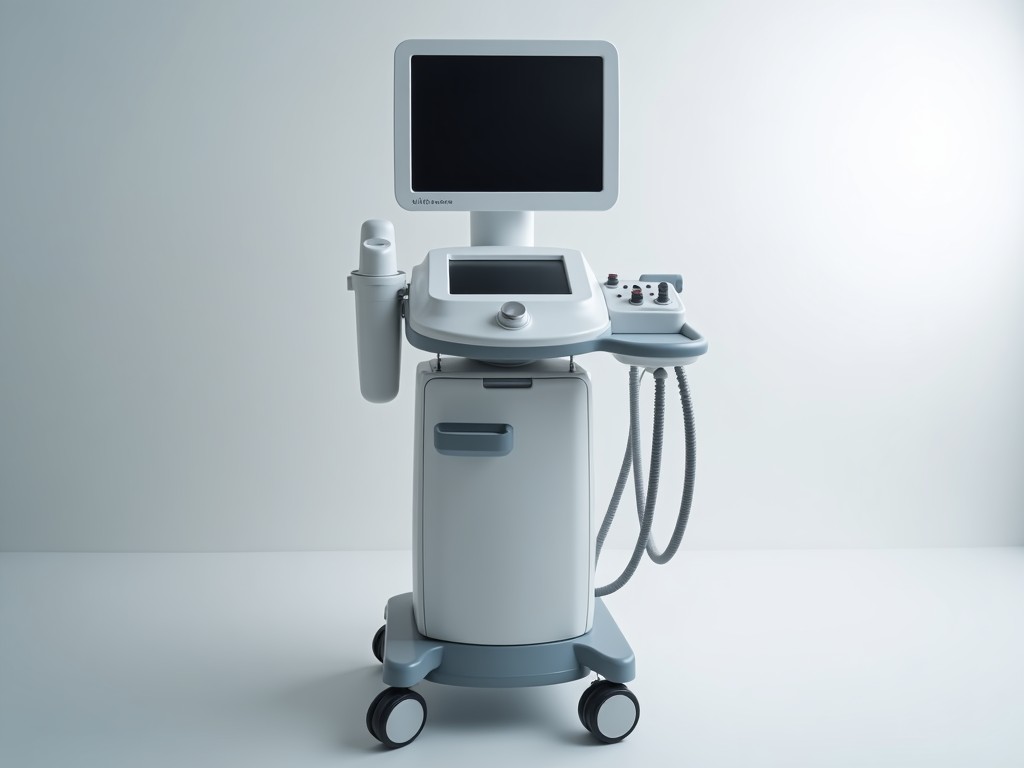
Budget Friendly Ultrasound Body Fat Analyzer Machine
Ultrasound‑based body fat analyzers estimate adipose thickness by measuring the time‑of‑flight of high‑frequency sound waves through tissue layers. The method relies on the known acoustic impedance
Inquire NowBudget‑Friendly Ultrasound Body Fat Analyzer
Ultrasound‑based body fat analyzers estimate adipose thickness by measuring the time‑of‑flight of high‑frequency sound waves through tissue layers. The method relies on the known acoustic impedance difference between fat and lean mass, providing a repeatable, non‑invasive metric that correlates with dual‑energy X‑ray absorptiometry (DXA) results in clinical studies.
Unlike skinfold calipers, the device does not require technician skill to locate specific anatomic sites, reducing inter‑operator variability. The handheld probe transmits a 5 MHz pulsed wave and receives the reflected signal from the fat‑muscle interface, calculating thickness based on the known speed of sound in soft tissue (≈1540 m/s).
Measurement Principle
The analyzer emits short ultrasound bursts that penetrate the skin and subcutaneous layer. When the wave encounters the interface where acoustic impedance changes sharply—primarily at the fat‑muscle boundary—a portion of the energy reflects back to the probe.
By measuring the round‑trip time delay and applying the speed of sound in tissue, the device computes the depth of the reflective layer. Multiple measurements at different angles are averaged to improve robustness against tissue anisotropy and surface irregularities.
The resulting thickness value is converted to an estimated body fat percentage using population‑derived regression equations that adjust for age, gender, and ethnicity.
Technical Specifications
| Parameter | Typical Value / Range |
|---|---|
| Ultrasound Frequency | 5 MHz (±10 %) |
| Measurement Depth | 0 mm – 30 mm |
| Repeatability (SD) | ≤0.5 mm thickness |
| Body Fat % Range | 5 % – 45 % (adjustable per population) |
| Operating Temperature | 10 °C – 40 °C |
| Power Supply | Rechargeable Li‑ion, 7.4 V, 2000 mAh (≈4 h continuous) |
| Display | 0.96‑inch OLED, 128×64 px |
| Data Output | Bluetooth LE, USB‑CDC (CSV format) |
Typical Applications
Fitness centers use the analyzer to track members’ progress over time, providing objective feedback that complements performance metrics such as VO₂ max or strength tests. The quick, painless measurement encourages regular testing, improving adherence to training programs.
In clinical wellness programs, the device supports early identification of individuals with elevated adiposity who may benefit from lifestyle intervention before comorbidities develop. Its portability allows use in community outreach events where space and power are limited.
Research laboratories employ the unit for longitudinal studies requiring frequent, low‑cost body composition assessments, especially when repeated DXA scans are impractical due to cost or radiation concerns.
Key Advantages
- No consumables – the probe tip is cleaned with standard disinfectant wipes.
- Minimal training required – users obtain reliable readings after a brief familiarization session.
- Low power consumption enables field use for up to four hours on a single charge.
- Bluetooth connectivity facilitates automatic data logging to smartphones or tablets for trend analysis.
- Robust ABS housing protects internal electronics from accidental drops and splashes.
Customization Options
The probe angle and gain settings can be adjusted via firmware to accommodate different subcutaneous tissue characteristics, such as higher collagen content in certain populations. Custom calibration curves are available upon request to align the device with local reference methods.
Enclosure colors and labeling can be modified to match corporate branding or safety‑color standards. Optional accessories include a rugged carrying case, a wireless charging dock, and a multipurpose belt‑clip for hands‑free operation.
Quality Assurance
Each unit undergoes a functional test that verifies signal‑to‑noise ratio, frequency stability, and timing accuracy against a traceable ultrasonic reference source. Visual inspection checks for proper sealing of the probe housing and correct placement of the OLED display.
Aging tests are performed on a sample lot to confirm that battery capacity and measurement drift remain within specified limits after 500 charge‑discharge cycles. Documentation of test results is provided with every shipment.
Frequently Asked Questions
Can the measurement depth be adjusted for different body sites?
Yes, the software allows the user to select a preset depth range (e.g., 0‑15 mm for limb measurements, 0‑30 mm for trunk) which optimizes gain and reduces noise from deeper tissues.
What information is needed to generate a quotation?
Please provide the required quantity, any desired customization (firmware tweaks, enclosure color, accessories), and the preferred delivery destination. Lead time is typically 4‑6 weeks for standard configurations.
How are export shipments protected?
Units are packed in double‑wall corrugated cartons with internal foam inserts that immobilize the probe and battery. Each carton is sealed with humidity‑indicating desiccant bags and marked with handling symbols.
To discuss how this analyzer can fit into your facility’s workflow or to request a detailed quotation, please contact our sales team.
Request Quotation