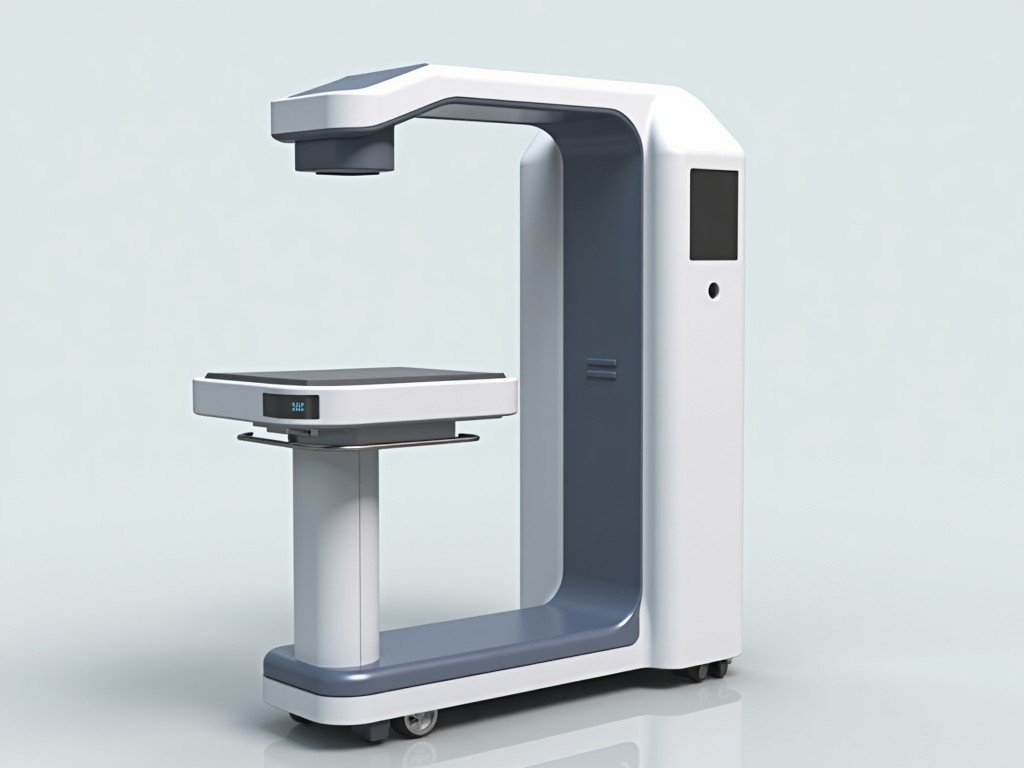
Body Fat Measurement Machine Manufacturer
Body fat measurement machines quantify adipose tissue percentage using bioelectrical impedance analysis (BIA), dual‑energy X‑ray absorptiometry (DXA), or air‑displacement plethysmography. The core
Inquire NowBody Fat Measurement Machine Manufacturer
Body fat measurement machines quantify adipose tissue percentage using bioelectrical impedance analysis (BIA), dual‑energy X‑ray absorptiometry (DXA), or air‑displacement plethysmography. The core engineering task is to convert a weak electrical signal or radiation attenuation into a reliable body‑fat estimate while controlling for variables such as hydration, temperature, and electrode contact.
Working Principle
In BIA‑based systems, a low‑amplitude alternating current (typically 5 kHz to 500 kHz) is applied through surface electrodes placed on hands and feet. The impedance magnitude and phase angle are measured; using empirically derived equations, the device calculates total body water, fat‑free mass, and finally body‑fat percentage. Frequency selection influences penetration depth: lower frequencies assess extracellular water, higher frequencies probe intracellular compartments.
Typical Technical Specifications
| Parameter | Typical Value / Range | Notes |
|---|---|---|
| Measurement Method | Bioelectrical Impedance Analysis (BIA) | Four‑point electrode configuration |
| Current Frequency | 5 kHz – 500 kHz (multi‑frequency) | Enables segmental analysis |
| Body‑Fat Range | 5 % – 50 % | Dependent on population and hydration |
| Accuracy (Typical) | ±1.5 % body‑fat | Validated against DXA under controlled conditions |
| Repeatability (Typical) | <0.5 % body‑fat | Same‑day, same‑subject measurements |
| Sample Throughput | Up to 30 measurements per hour | Includes electrode placement and data logging |
| Power Consumption | 20 W (average) | USB‑C or mains adapter |
| Dimensions (W × D × H) | 350 mm × 250 mm × 150 mm | Desktop‑oriented enclosure |
| Weight | 4.2 kg | Aluminum housing with ABS trim |
| Compliance | IEC 60601‑2‑33, ISO 13485 | Medical device classification (Class IIa) |
Typical Applications
- Fitness centers and sports performance labs – tracking longitudinal changes in adiposity for training program adjustment.
- Clinical nutrition departments – supporting dietary intervention studies where body‑composition endpoints are required.
- Corporate wellness programs – providing employees with quick, non‑invasive health screening metrics.
Customization Options
- Electrode layout – hand‑to‑hand, foot‑to‑foot, or segmental (arm/leg) configurations available upon request.
- Software interface – optional API for integration with electronic health records or gym management systems.
- Enclosure material – choice of powder‑coated steel, stainless steel, or antimicrobial polymer for specific hygiene requirements.
Quality Control Philosophy
Each unit undergoes functional verification of impedance measurement accuracy using precision resistors and phantom tissues that simulate known conductivity values. Environmental stress testing includes temperature cycling (5 °C to 40 °C) and humidity exposure to ensure stable electrode contact impedance. Final inspection validates software algorithms against a reference dataset of 200 subjects with paired DXA results, confirming that the mean error remains within the stated tolerance before shipment.
Frequently Asked Questions
Can the electrode spacing be altered for specific patient populations? Yes, the electrode spacing and geometry are adjustable based on anthropometric requirements; custom jigs can be supplied for pediatric or bariatric use cases.
What information is needed to obtain a quotation? Provide the desired measurement frequency range, electrode configuration, required software features, and any enclosure material preferences; volume and delivery timeline also affect pricing.
How is the device calibrated in the field? Built‑in self‑check routines use internal reference resistors; users can initiate a calibration check via the touchscreen interface, which logs results for traceability.
Request a technical quotation or schedule a product demonstration