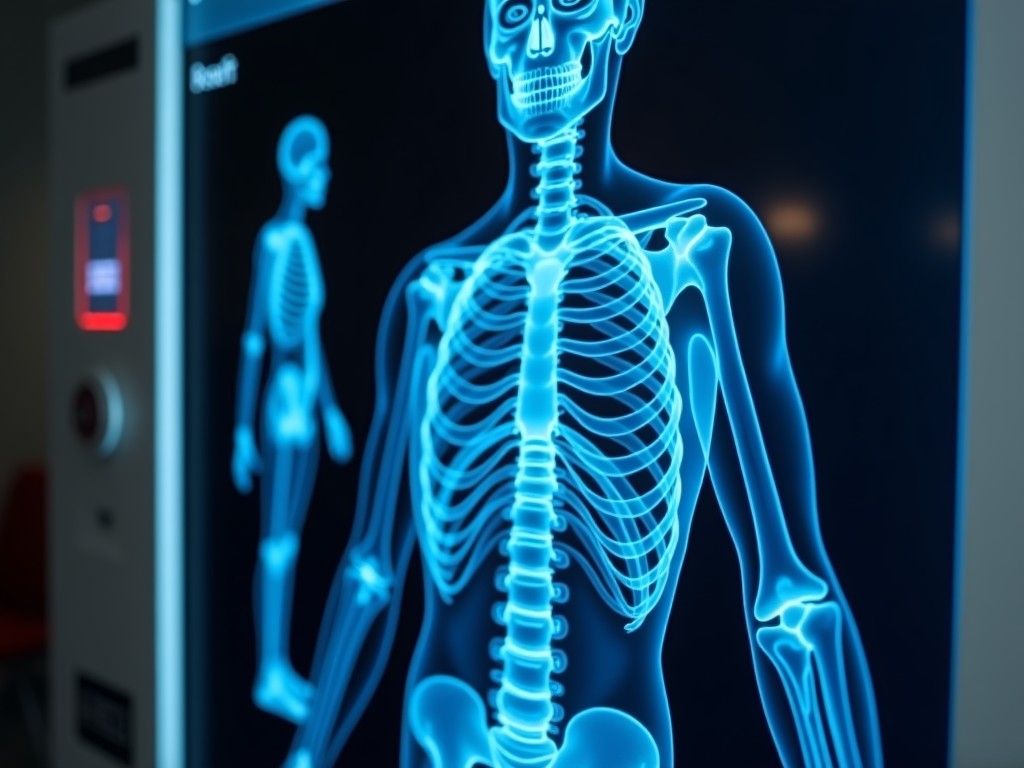
Body Composition Analysis Interpretation Explained
Body composition analysis quantifies the relative amounts of fat, lean mass, bone mineral, and water within a human body. The measurement is typically performed using bioelectrical impedance,
Inquire NowBody Composition Analysis Interpretation Explained
Overview of Body Composition Analysis
Body composition analysis quantifies the relative amounts of fat, lean mass, bone mineral, and water within a human body. The measurement is typically performed using bioelectrical impedance, dual‑energy X‑ray absorptiometry, or air‑displacement plethysmography. Each method provides a distinct set of raw values that must be translated into meaningful health or performance indicators.
How Raw Data Becomes Actionable Interpretation
Interpretation begins by correcting raw impedance or attenuation measurements for height, weight, age, and sex using validated algorithms. The corrected values are then expressed as percentages or indices, such as fat mass percentage (FMP) and fat‑free mass index (FFMI). These indices are compared against reference populations that account for ethnicity and activity level to determine whether a result falls within expected ranges.
A critical step is identifying outliers caused by hydration shifts, recent exercise, or food intake, which can skew impedance‑based readings. Protocols often require a standardized pre‑test condition—fasting for 4–6 hours, voiding bladder, and avoiding vigorous activity for 12 hours—to improve repeatability.
Key Metrics and Their Practical Meaning
Fat mass percentage indicates the proportion of total weight that is adipose tissue. Values above 25 % for men and 32 % for women are generally associated with increased cardiometabolic risk, though thresholds vary with age.
Fat‑free mass index normalizes lean mass to height squared (kg/m²) and helps differentiate muscularity from mere weight. An FFMI below 17 kg/m² in men or 15 kg/m² in women may suggest sarcopenia, particularly in older adults.
Visceral fat rating, derived from segmental impedance, estimates abdominal adipose tissue linked to insulin resistance. Ratings above 10 on a 1‑20 scale often warrant further metabolic screening.
Total body water split into intracellular and extracellular compartments provides insight into fluid balance; an extracellular‑to‑intracellular ratio >0.4 can indicate edema or inflammation.
Typical Reference Ranges (Adult Population)
| Metric | Typical Low | Typical High | Notes |
|---|---|---|---|
| Fat Mass Percentage (Men) | 8 % | 24 % | Age‑adjusted; athletes may be lower |
| Fat Mass Percentage (Women) | 20 % | 36 % | Higher essential fat |
| FFMI (Men) | 17 kg/m² | 22 kg/m² | Values >25 may indicate supplemental use |
| FFMI (Women) | 14 kg/m² | 18 kg/m² | Reflects muscular development |
| Visceral Fat Rating | 1 | 9 | ≥10 suggests risk |
| Total Body Water (% weight) | 45 % | 65 % | Varies with age and sex |
Industrial Applications Where Interpretation Matters
In occupational health programs, body composition data guide ergonomic interventions; excess fat mass correlates with higher rates of musculoskeletal disorders, prompting targeted workplace redesign.
Sports science laboratories use FFMI and visceral fat ratings to periodize training loads, ensuring athletes stay within optimal performance windows without overtraining.
Clinical research trials rely on longitudinal tracking of extracellular water to monitor fluid‑retention side effects of new pharmacologic agents, providing an early safety signal.
Corporate wellness vendors integrate interpretation algorithms into employee portfolios, translating raw numbers into personalized risk scores that drive engagement with lifestyle coaching.
Selecting a System for Reliable Interpretation
When evaluating hardware, consider the electrode configuration; tetra‑polar arrangements reduce contact‑impedance variability compared to bipolar designs, improving repeatability across users.
Software should allow customization of reference equations; populations with atypical body builds (e.g., amputees, bodybuilders) may require population‑specific coefficients to avoid systematic bias.
Look for built‑in hydration checks that flag tests conducted outside prescribed pre‑test conditions, thereby preventing erroneous interpretation.
Technical Considerations for Long‑Term Value
Calibration frequency impacts measurement drift; manufacturers typically recommend a verification against a phantom model every six months for clinical‑grade units.
Firmware updates that refine algorithms for segmental analysis can improve visceral fat estimation without hardware changes, extending the useful life of the device.
Data export options (HL7, CSV, JSON) facilitate integration with electronic health records or analytics platforms, ensuring that interpreted results flow seamlessly into downstream decision‑making tools.
Frequently Asked Questions
Can the analysis be adapted for pediatric or geriatric cohorts?
Yes, most platforms provide age‑specific reference equations; however, validation studies suggest using devices with multi‑frequency capability for improved accuracy in children under 12 and adults over 65.
What information is required before a quotation can be issued?
Key details include the intended measurement volume (daily throughput), required segmental resolution (whole‑body vs. limb‑specific), environmental conditions (temperature, humidity), and any needed regulatory certifications (e.g., FDA 510(k), CE marking).
How is quality inspected during production?
Each unit undergoes impedance linearity testing across a range of known resistors, followed by a repeatability study with 30 human subjects to verify coefficient of variation <1.5 % for fat mass percentage.
What are the typical production lead times?
Lead times vary with configuration; standard whole‑body bioimpedance analyzers usually ship within 4‑6 weeks after receipt of a signed purchase order, while customized electrode arrays may extend to 8‑10 weeks.
Next Steps
If you need to discuss how body composition analysis interpretation can be integrated into your specific workflow, please reach out for a technical consultation.
Request a Quote