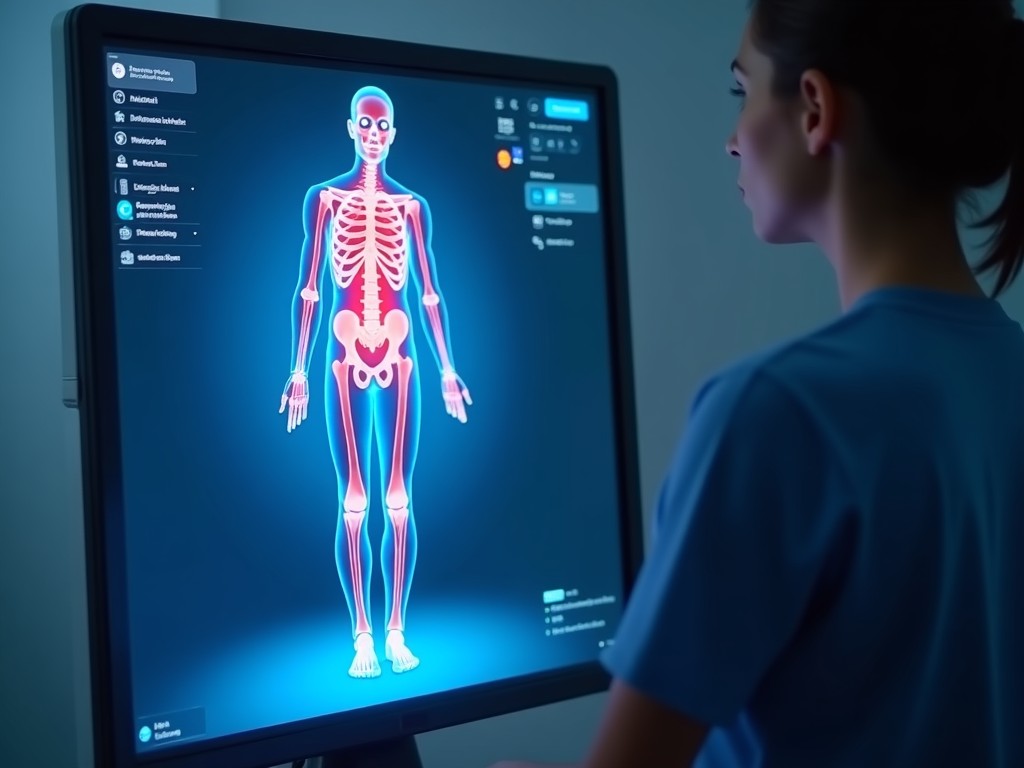
Bia Body Composition Analyzer Wholesaler
Bioelectrical Impedance Analysis (BIA) measures the opposition of body tissues to a small, alternating electric current to estimate fat‑free mass, total body water, and intracellular/extracellular
Inquire NowBIA Body Composition Analyzer – Wholesale Overview
Overview
Bioelectrical Impedance Analysis (BIA) measures the opposition of body tissues to a small, alternating electric current to estimate fat‑free mass, total body water, and intracellular/extracellular fluid distribution.
For wholesale distribution, the analyzer must deliver repeatable results across varied skin types, electrode placements, and ambient temperatures while maintaining low power consumption for continuous operation.
Technology Principle
A multi‑frequency BIA system injects currents ranging from 5 kHz to 500 kHz through surface electrodes placed on the hands and feet.
Low frequencies primarily traverse extracellular water, whereas higher frequencies penetrate cell membranes, allowing the device to separate intracellular and extracellular compartments.
Impedance values are converted to body composition metrics using empirically derived equations that incorporate height, weight, age, and sex; the equations are selectable via firmware to match regional population data.
Key Specifications
| Parameter | Typical Range / Value | Notes |
|---|---|---|
| Measurement Frequencies | 5 kHz, 50 kHz, 100 kHz, 200 kHz, 500 kHz | Selectable per protocol |
| Impedance Resolution | 0.1 Ω | Enables detection of small fluid shifts |
| Current Excitation | ≤ 0.8 mA rms | Within IEC 60601‑2‑27 safety limits |
| Display | 7‑inch touchscreen, 800×480 px | Optional ruggedized version available |
| Power Supply | 100‑240 V AC, 50/60 Hz, 20 VA max | Internal battery option for mobile use |
| Operating Temperature | 10 °C – 40 °C | Condensation‑free environment required |
Applications in Industrial Settings
Facilities that monitor employee wellness, such as manufacturing plants with shift‑based labor, use BIA to track changes in hydration status that can affect performance and safety.
In sports‑training centers attached to industrial campuses, the analyzer provides objective data for adjusting nutrition programs and evaluating the effectiveness of ergonomic interventions.
Research laboratories partnered with OEMs rely on the device’s multi‑frequency capability to study fluid shifts during exposure to extreme temperatures or chemical agents.
Design & Construction
The electrode cables are constructed from tinned copper strands with a thermoplastic polyurethane jacket, offering resistance to abrasion and common industrial solvents.
The housing blends ABS polymer for impact resistance with a thin aluminum shielding layer to reduce electromagnetic interference from nearby motors or welding equipment.
Electrode contact surfaces use medical‑grade stainless steel with a low‑profile snap‑fit mechanism, allowing quick replacement without tools.
Quality Assurance
Each unit undergoes a four‑point verification: impedance linearity check across the frequency band, current leakage test (< 10 µA), display pixel uniformity, and firmware checksum validation.
Calibration is traceable to a precision resistor network with ±0.01 % tolerance, and results are logged in a QR‑code label affixed to the rear panel for audit purposes.
Batch sampling includes a 10‑day environmental stress test at 85 % relative humidity and 40 °C to confirm long‑term stability of the analog front‑end.
Customization Options
- Alternative electrode layouts (hand‑to‑hand, foot‑to‑foot, or segmental configurations)
- Language packs for the user interface (English, Spanish, Mandarin, Arabic)
- Enclosure ratings up to IP65 for wash‑down areas
- Data output modules: USB‑CSV, HL7 interface, or wireless Bluetooth Low Energy
Custom firmware can incorporate population‑specific equations supplied by the customer, subject to validation against a reference DEXA dataset.
Frequently Asked Questions
Can the analyzer be integrated into existing health‑management software?
Yes, the device provides a serial‑over‑USB stream of impedance values and derived metrics; a sample API document is available upon request.
What lead time should be expected for a wholesale order?
Standard models ship within 3‑4 weeks after receipt of purchase order; customized configurations add 1‑2 weeks depending on electrode or enclosure changes.
Are spare electrodes and cables stocked for resale?
Distributors can order electrode kits in packs of 10 pairs; minimum order quantity is one pack, with volume pricing available.
Contact for Wholesale Inquiry
To receive a formal quotation, technical datasheet, or sample unit, please reach out via the contact form.
Request Wholesale Quote