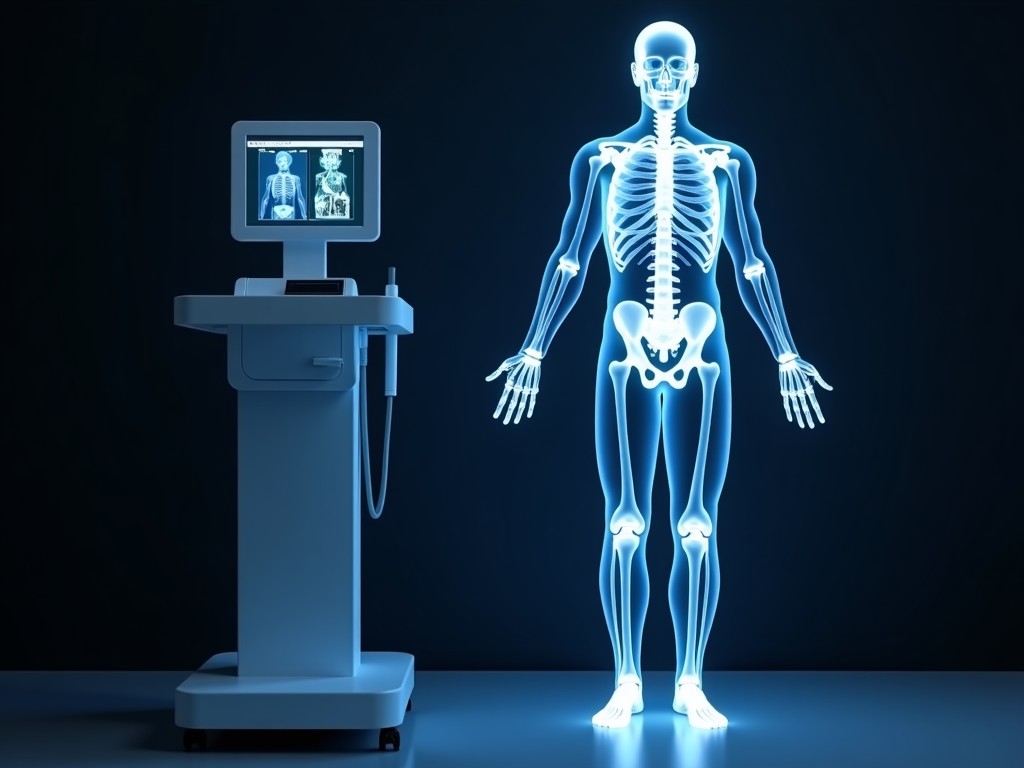
Best Body Composition Analysis Machine
This instrument estimates body composition using multi‑frequency bioelectrical impedance analysis with eight tactile electrodes positioned on the hands and feet. It delivers segmental fat‑free mass,
Inquire NowBest Body Composition Analysis Machine
This instrument estimates body composition using multi‑frequency bioelectrical impedance analysis with eight tactile electrodes positioned on the hands and feet. It delivers segmental fat‑free mass, fat mass, and total body water values in under 30 seconds per test.
Technical Specifications
| Parameter | Typical Value / Range |
|---|---|
| Measurement method | Multi‑frequency BIA (5 kHz, 50 kHz, 250 kHz) |
| Electrode configuration | 8‑point tactile (thumb, palm, sole, heel) |
| Scan time | ≤20 seconds per measurement |
| Body fat accuracy* | ±1.5 % (vs. DXA reference) |
| Repeatability (CV) | <2 % for fat mass, <1.5 % for fat‑free mass |
| Subject weight capacity | Up to 250 kg |
| Power supply | 100‑240 V AC, 50/60 Hz, 60 VA |
| Dimensions (W×D×H) | 350 mm × 350 mm × 1100 mm |
| Data output | USB, Ethernet, optional Wi‑Fi; CSV, JSON, HL7 |
*Accuracy values are typical; actual performance depends on subject hydration, electrode contact, and adherence to measurement protocol.
Measurement Principle
Low‑amplitude alternating currents at multiple frequencies traverse the body. Impedance is measured separately for intracellular and extracellular water, enabling estimation of total body water, fat‑free mass, and fat mass. Segmental analysis divides the body into five cylinders (arms, legs, trunk) to detect regional differences.
Typical Applications
- Fitness clubs tracking member progress with reproducible baseline measurements.
- Clinical nutrition departments assessing fluid shifts in dialysis or edema patients.
- Research laboratories requiring longitudinal body composition data for intervention studies.
- Corporate wellness programs offering quick, non‑invasive health screenings.
Customization Options
Electrode geometry can be adapted for pediatric or bariatric cohorts. Software interfaces support integration with hospital information systems (HL7) or gym management platforms via REST API. Optional handheld units enable remote data collection while preserving the same measurement algorithm.
Quality Control & Manufacturing
Each unit undergoes a two‑point impedance calibration using precision resistors traceable to national standards. Before shipment, a repeatability test is performed on five reference phantoms representing low, medium, and high fat‑free mass. Firmware includes self‑diagnostic checks for electrode contact quality and alerts the operator if impedance values fall outside expected ranges.
Frequently Asked Questions
Can the electrode placement be adjusted for users with limited mobility?
Yes. The system offers adjustable straps and conductive gel pads that allow secure contact on the forearm and ankle when standard hand‑foot placement is not feasible.
What information is required before a quotation can be issued?
Please provide the intended measurement volume (subjects per day), required data outputs (USB, Ethernet, HL7), any special electrode sizes, and the destination country for shipping and compliance verification.
How is the device calibrated in the field?
Field verification uses a supplied impedance checker box with known resistive and reactive components. The procedure takes less than five minutes and is recommended monthly or after relocation.
Contact for Technical Inquiry
For detailed configuration options, lead times, or to request a unit evaluation, please contact our application engineering team.