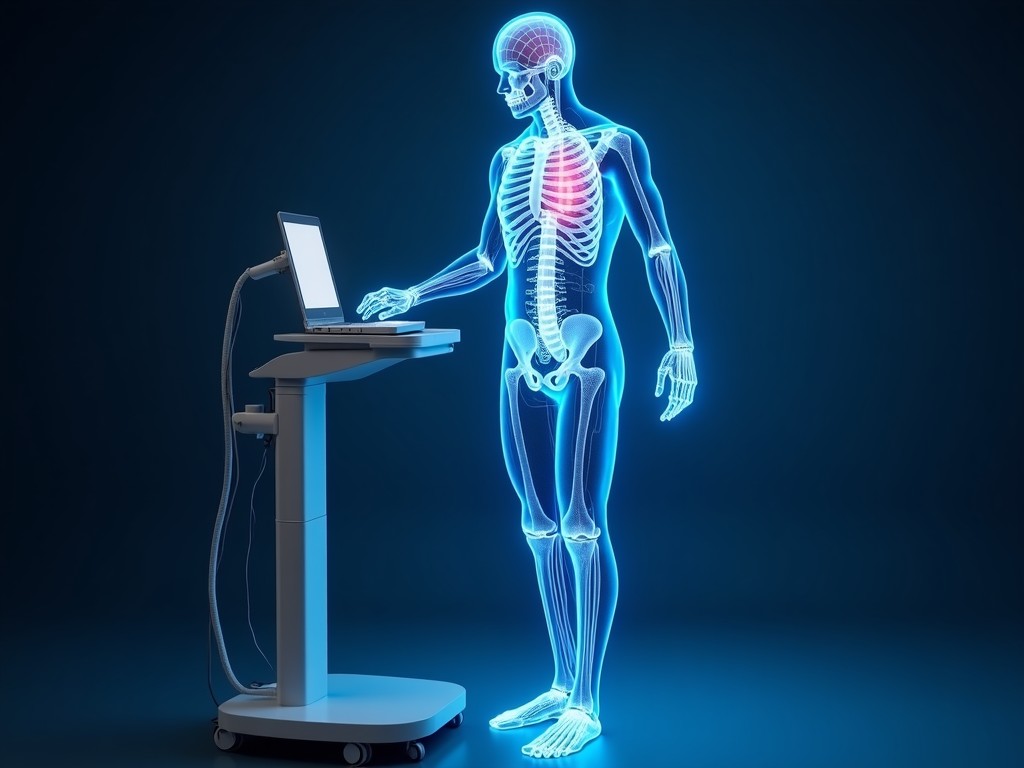
Best Bioelectrical Impedance Analysis Device
A bioelectrical impedance analysis device measures the opposition of body tissues to a small alternating current, allowing estimation of body composition parameters such as fat mass, lean mass, and
Inquire NowBioelectrical Impedance Analysis (BIA) Device
A bioelectrical impedance analysis device measures the opposition of body tissues to a small alternating current, allowing estimation of body composition parameters such as fat mass, lean mass, and total body water.
The measurement relies on the principle that different tissues conduct electricity differently; impedance is inversely related to the amount of water and electrolytes present.
Key Technical Characteristics
Typical operating frequency range spans from 1 kHz to 1 MHz, enabling multi‑frequency assessment of extracellular and intracellular compartments.
Electrode configuration usually consists of four surface electrodes (tetrapolar arrangement) to minimize contact resistance effects.
Input current is kept below 100 µA RMS, ensuring safety for repeated measurements while maintaining sufficient signal‑to‑noise ratio.
Vertical resolution of impedance readings is typically 0.1 Ω, which translates to body composition precision of approximately ±1.5% for fat mass in healthy adults.
Measurement Parameters and Output
Devices commonly report the following derived values:
- Fat mass (kg and %)
- Fat‑free mass (kg)
- Total body water (L)
- Intracellular and extracellular water (L)
- Basal metabolic rate (kcal/day) – derived from impedance‑based equations
Typical Applications in Industry
In occupational health programs, BIA devices support longitudinal tracking of employee body composition, helping evaluate the effectiveness of wellness interventions.
Sports science laboratories use multi‑frequency BIA to monitor fluid shifts during training cycles, providing data that complements blood‑based hydration markers.
Clinical research settings employ the equipment for sarcopenia screening in elderly populations, where low‑frequency impedance reflects intracellular mass changes.
Comparison of Common BIA Configurations
| Configuration | Frequency Points | Typical Use Case |
|---|---|---|
| Single‑frequency (50 kHz) | 1 | Quick field screening, gym membership assessments |
| Multi‑frequency (5 kHz‑500 kHz) | 4‑8 | Detailed fluid compartment analysis, clinical research |
| Segmental (eight‑electrode) | Multiple frequencies per segment | Regional lean mass evaluation, sports performance monitoring |
Quality Assurance and Calibration
Manufacturers typically verify electrode impedance stability before shipment, ensuring contact resistance remains below 10 kΩ across the specified frequency range.
Periodic calibration using precision resistors traceable to national standards helps maintain measurement accuracy within ±2% of the true impedance value.
Software algorithms apply population‑specific equations; users can upload custom coefficients when validating against reference methods such as DXA.
Selecting the Right Device
Consider the required frequency spectrum: single‑frequency units suffice for basic fat‑mass estimation, while multi‑frequency systems provide extracellular/intracellular water separation.
Electrode type influences reproducibility; disposable gel electrodes reduce inter‑subject variability, whereas reusable stainless‑steel electrodes lower long‑term operating cost.
Portability matters for field work; battery‑operated models with internal memory allow up to 500 measurements per charge.
For technical inquiries, customization options, or quotation requests, please contact our sales engineering team.
Request Information