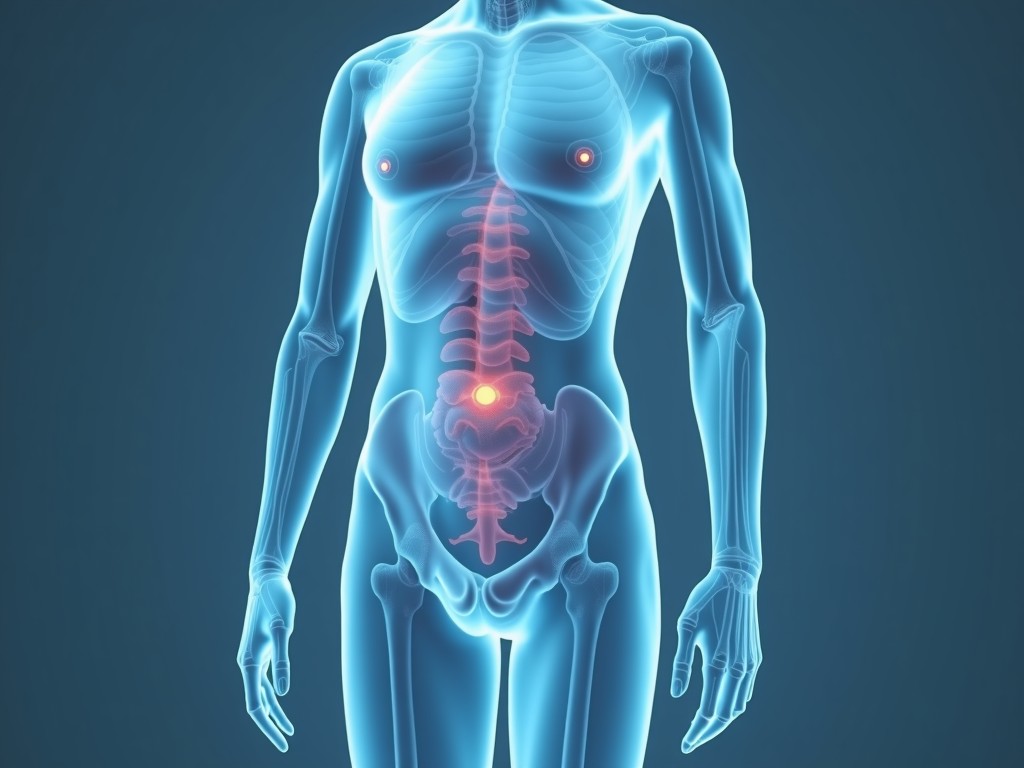
Advanced Electrode Body Fat Analyzer
This instrument estimates body composition by measuring bioelectrical impedance through surface electrodes. A low‑amplitude alternating current passes between electrodes placed on the skin, and the
Inquire NowAdvanced Electrode Body Fat Analyzer
This instrument estimates body composition by measuring bioelectrical impedance through surface electrodes. A low‑amplitude alternating current passes between electrodes placed on the skin, and the resulting voltage drop is used to calculate resistance and reactance at multiple frequencies.
The analyzer employs a tetrapolar electrode configuration to eliminate contact impedance, improving repeatability across varied skin conditions and subject geometries.
Technical Specifications
| Parameter | Typical Value | Unit |
|---|---|---|
| Measurement Frequencies | 5, 50, 250 | kHz |
| Excitation Current | ≤ 0.8 | mA rms |
| Voltage Resolution | 0.1 | mV |
| Impedance Range | 150 – 800 | Ω |
| Sampling Rate | Up to 1000 | samples/s |
| Display | 2.4‑inch TFT, 320×240 | — |
| Power Supply | Li‑ion 3.7 V, 2000 mAh (rechargeable) | — |
| Operating Temperature | 5 – 40 | °C |
Measurement Methodology
The device injects a sinusoidal current through two outer electrodes while sensing the voltage drop across two inner electrodes. This tetrapolar arrangement mitigates electrode‑skin interface effects, allowing the instrument to isolate the bulk tissue impedance.
Impedance is measured at three frequencies to separately evaluate extracellular and intracellular pathways. The low‑frequency point (5 kHz) primarily reflects extracellular fluid, while the higher frequencies penetrate cell membranes, enabling estimation of total body water, fat‑free mass, and fat mass via validated empirical equations.
Real‑time signal processing includes baseline drift correction and motion artifact filtering, ensuring stable readings during brief subject movement.
Typical Applications
Fitness centers use the analyzer to track client progress over training cycles, providing objective data that complements visual assessments and performance metrics.
Medical clinics employ it for quick screening of nutritional status, edema assessment, and monitoring of patients undergoing dialysis or chemotherapy, where fluid shifts are clinically relevant.
Research laboratories value the multi‑frequency capability for studying regional body composition changes in sports science, gerontology, and metabolic studies, as the instrument outputs raw resistance and reactance for custom modeling.
Design and Construction
The housing is molded from ABS‑PC blend with a surface resistivity < 10¹⁴ Ω·cm, providing electrostatic discharge protection while maintaining a lightweight (< 250 g) form factor.
Electrodes are fabricated from stainless steel 316L with a gold‑plated contact area of 12 mm diameter, ensuring low polarization impedance and corrosion resistance in repeated use.
Cable assemblies use stranded copper conductors with silicone insulation, rated for > 10 000 flex cycles, and terminate in shielded connectors to minimize electromagnetic interference.
Quality Assurance
Each unit undergoes factory calibration traceable to NIST‑standard resistors and capacitors, with impedance accuracy verified within ±1.5 % across the specified frequency range.
Functional testing includes repeatability checks on ten consecutive measurements of a phantom torso, requiring coefficient of variation < 0.8 % for resistance and reactance.
Final inspection confirms proper electrode contact detection, battery voltage stability, and firmware integrity via checksum validation before packaging.
Customization Options
Electrode spacing and cable length can be adapted to specific probe designs or ergonomic requirements, with optional right‑angle connectors for confined spaces.
Software interfaces are available as USB‑CDC, Bluetooth LE, or Modbus RTU, allowing integration with existing data‑collection platforms or mobile applications.
Firmware can be tailored to output additional parameters such as phase angle, basal metabolic rate, or segment‑specific estimates when paired with multi‑site electrode arrays.
Frequently Asked Questions
- Can the electrode size be changed for pediatric or obese subjects?
- What calibration equipment is required for field verification?
- Is the device compatible with Windows, Android, and iOS operating systems?
- How are measurement results exported for longitudinal analysis?
- What is the typical lead time for a customized electrode configuration?
For technical quotations, customization requests, or additional documentation, please contact our application engineering team.
Request Information