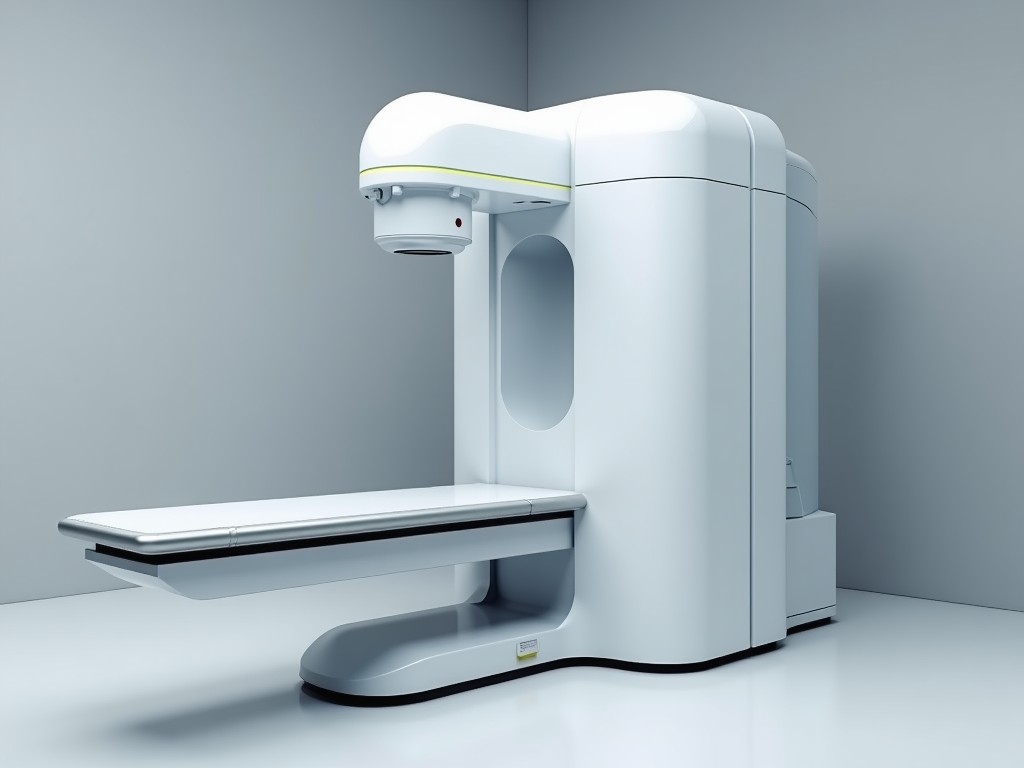
Advanced Body Composition Analyzer Supplier
Selecting a body composition analyzer requires understanding the underlying measurement principle, the instrument’s metrological characteristics, and how it integrates into existing workflows. This
Inquire NowAdvanced Body Composition Analyzer Supplier – Technical Overview
Selecting a body composition analyzer requires understanding the underlying measurement principle, the instrument’s metrological characteristics, and how it integrates into existing workflows. This overview details the technical attributes that influence measurement confidence and long‑term value for industrial procurement.
Measurement Technology and Principles
The analyzer employs multi‑frequency bioelectrical impedance analysis (BIA) with a range of 1 kHz to 1 MHz, allowing separate assessment of extracellular and intracellular water compartments. By applying a low‑amplitude alternating current through surface electrodes, the device measures impedance magnitude and phase angle, which are then correlated to body water, fat‑free mass, and adipose tissue using validated population‑specific equations.
Optional modules add dual‑energy X‑ray absorptiometry (DXA) capability for bone mineral density or air‑displacement plethysmography (ADP) for volumetric body composition, enabling cross‑method verification when required.
Key Performance Specifications
Measurement accuracy is expressed as percent error relative to reference methods: typically ±2 % for total body water, ±3 % for fat‑free mass, and ±4 % for fat mass across a BMI range of 18–40 kg/m². Repeatability (intra‑subject coefficient of variation) is ≤1.5 % for impedance‑derived parameters when measurements are taken under standardized fasting and posture conditions.
The instrument supports a measurement cycle time of 20 seconds, with a warm‑up period of 5 minutes and a stable operating temperature range of 15 °C to 30 °C. Power consumption averages 12 W during active scanning and 0.5 W in standby mode.
Typical Applications in Industrial and Clinical Settings
In occupational health programs, longitudinal tracking of segmental lean mass helps evaluate the effectiveness of ergonomic interventions and nutritional support for shift workers. Sports science laboratories utilize the segmental output to monitor training‑induced hypertrophy and detect early signs of overtraining syndrome.
Clinical research settings benefit from the analyzer’s ability to provide rapid, non‑invasive body composition data for cohort studies involving metabolic disease, renal dialysis, or geriatric sarcopenia, where frequent radiographic methods pose logistical or ethical constraints.
Customization and Integration Options
Electrode configurations are adjustable between 4‑point tetrapolar, 8‑point segmental, and custom‑array layouts to accommodate specific anatomical sites or specialized populations such as amputees. The hardware includes a modular expansion slot for adding wireless communication (Bluetooth 5.0, Wi‑Fi 6) or additional sensor ports.
Software interfaces provide RESTful API endpoints for real‑time data export, HL7 compatibility for hospital information systems, and configurable report templates that can be branded or adapted to internal data models.
Quality Assurance and Compliance
Each unit undergoes factory acceptance testing that includes impedance linearity verification across the full frequency spectrum, baseline offset calibration, and safety leakage current measurement per IEC 60601‑1. Traceable reference resistors are used to ensure measurement stability over a 12‑month calibration interval.
Manufacturing follows ISO 13485 quality management principles, and the device can be supplied with CE marking, FDA 510(k) clearance, or other regional certifications upon customer request.
Comparison of Measurement Modalities
| Modality | Primary Output | Typical Scan Time | Site Requirements |
|---|---|---|---|
| Multi‑frequency BIA | Total & segmental water, fat‑free mass, fat mass | 20 s | Flat surface, standard electrodes |
| DXA | Bone mineral density, lean & fat mass | 4‑6 min | Shielded room, radiation safety |
| ADP (Bod Pod) | Body volume → density → fat fraction | 3‑5 min | Enclosed chamber, temperature control |
Frequently Asked Questions
Can the electrode layout be modified for specialized populations?
Yes, the hardware supports interchangeable electrode arrays; custom designs can be developed based on anatomical drawings provided by the client.
What information is needed to obtain a quotation?
Key details include desired measurement modalities, required throughput (samples per day), any integration requirements (e.g., EMR interface), and target regulatory jurisdiction for certification.
How is long‑term measurement traceability ensured?
Each device is calibrated against NIST‑traceable impedance standards, and a calibration certificate is supplied with the unit; recalibration intervals are defined in the user manual.
For further technical discussion or to request a detailed specification sheet, please contact our application engineers.