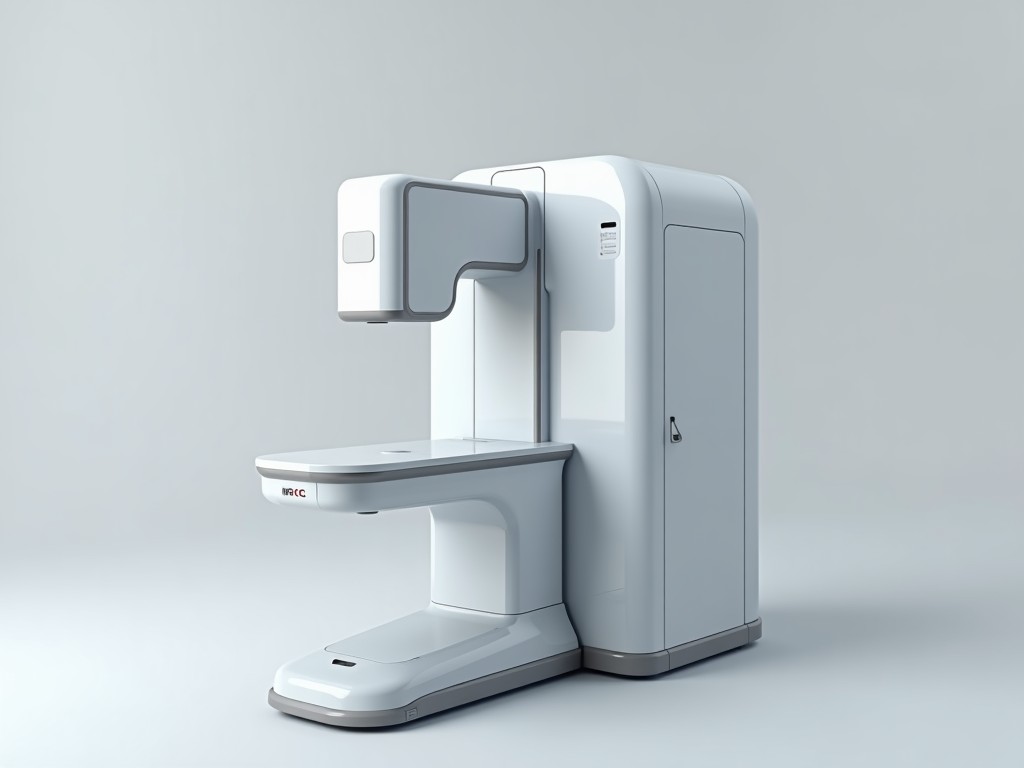
Full Body 3D Scanner Price
A full‑body 3D scanner captures the external geometry of a human subject in a single scan session, producing a dense point cloud or mesh that represents the entire surface. The technology typically
Inquire NowFull Body 3D Scanner: Price Considerations and Technical Overview
A full‑body 3D scanner captures the external geometry of a human subject in a single scan session, producing a dense point cloud or mesh that represents the entire surface. The technology typically relies on structured light, laser triangulation, or photogrammetry principles, each influencing measurement speed, resolution, and system cost.
How Scanning Technology Affects Price
Structured‑light systems project a known pattern onto the body and calculate depth from pattern deformation; they offer sub‑millimeter accuracy at moderate cost. Laser‑triangulation scanners sweep a laser line across the surface, providing high detail but often requiring more complex optics, which raises the unit price. Photogrammetric rigs use multiple synchronized cameras and software reconstruction; they can be less expensive in hardware but demand significant computational resources and careful lighting control.
Key Specification Variables That Influence Cost
- Point spacing (or voxel size) – smaller spacing yields higher detail and increases sensor and processing costs.
- Scan time – faster capture often needs more powerful illumination or higher frame‑rate cameras.
- Field of view – a larger volume to cover the whole body requires wider optics or multiple sensor modules.
- Software licensing – advanced mesh cleanup, texture mapping, and measurement tools may be sold separately.
- Enclosure and safety features – Class 1 laser ratings, emergency stops, and ergonomic designs add to material and certification expenses.
Typical Price Ranges (USD)
| Scanner Category | Approx. Price Range | Typical Use Case |
|---|---|---|
| Entry‑level structured light (single sensor) | $15,000 – $30,000 | Anthropometric research, basic apparel fitting |
| Mid‑range multi‑camera structured light | $30,000 – $70,000 | Clinical body composition, ergonomics studies |
| High‑resolution laser‑triangulation array | $70,000 – $150,000 | Custom orthotics, aerospace human‑factor testing |
| Photogrammetric rig (≥12 cameras) | $20,000 – $50,000 (hardware) + software fees | Large‑scale surveys, entertainment capture |
Applications Where Full‑Body Scanning Delivers Measurable Value
In apparel manufacturing, a scanner provides repeatable surface data that enables virtual pattern making, reducing physical prototype cycles by up to 40 %. Ergonomics labs use the geometry to design workstations that match actual user postures, lowering the risk of musculoskeletal disorders. Healthcare providers rely on volumetric measurements for tracking changes in body composition over time, offering an objective metric for nutrition or rehabilitation programs.
Selection Checklist for Engineers and Procurement Specialists
- Define required point spacing based on the smallest feature you need to measure (e.g., 2 mm for garment seam allowance).
- Verify scan time fits your throughput; a 10‑second capture may be acceptable for clinical use but not for high‑volume retail.
- Check software compatibility with your existing CAD/PLM pipelines; look for STL, OBJ, or PLY export options.
- Confirm safety certifications (IEC 60825‑1 for lasers, IEC 60601‑1 for medical environments) if applicable.
- Request a sample scan on a representative subject to evaluate noise, texture capture, and post‑processing effort.
Frequently Asked Questions
Can the scanning volume be adjusted for different populations?
Most systems have a fixed field of view determined by lens and sensor layout. Custom brackets or additional modules can extend the range, but this typically requires re‑calibration and may affect accuracy at the edges.
What file formats are available for downstream processing?
Standard outputs include untextured polygonal meshes (OBJ, STL, PLY) and, when texture mapping is enabled, UV‑mapped textures in PNG or JPEG paired with the mesh. Some vendors provide point‑cloud formats (LAS, LAZ) for direct import into metrology software.
Is on‑site installation and training included in the quoted price?
Installation, alignment verification, and operator training are often offered as separate service packages. Including them ensures the system meets specification from day one, but they can increase the total project cost by 10‑20 %.
Next Steps
To obtain a quotation tailored to your required accuracy, scan speed, and software needs, please contact our technical team. Provide details on the intended application, expected throughput, and any environmental constraints (e.g., lighting, ambient temperature) so we can configure a system that delivers the performance you need without unnecessary expense.
Request a Technical Quote